Made in America: A Commitment Beyond the Product
July 21, 2026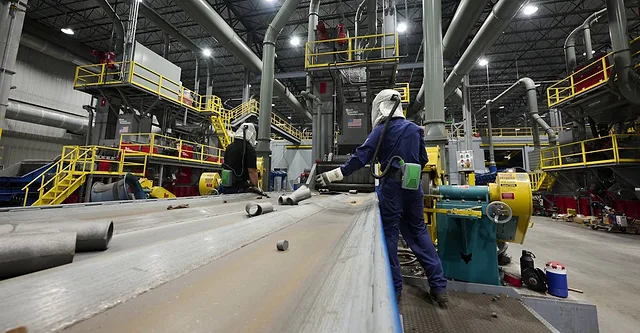
Made in America: A Commitment Beyond the Product
July 21, 2026Manufacturers continue investing in U.S. production facilities to support innovation, respond to changing market demands, and deliver products closer to customers.

As the United States approaches its 250th anniversary in 2026, American manufacturing remains an absolute cornerstone of the nation's economy and identity. For generations, manufacturers have built the products, technologies and infrastructure that support communities, create jobs and drive innovation. In the plumbing, heating, cooling and piping industries, domestic manufacturing continues to play a critical role in delivering the products that keep homes, businesses and institutions operating every day.
At a time when supply chains, workforce development and economic resilience remain top concerns, many manufacturers are reaffirming their commitment to producing products in the United States. Beyond supporting local jobs, domestic operations can offer greater quality control, shorter lead times, closer collaboration between engineering and production teams, and stronger connections to customers and distribution partners.
 In recognition of America's upcoming semiquincentennial, Plumbing & Mechanical spoke with several manufacturers that continue to invest in U.S. production. Their stories highlight not only the advantages of manufacturing close to home, but also the people, facilities and long-term investments helping shape the future of the PHCP industry.
A. O. Smith
Founded: 1874 | Headquarters: Milwaukee, Wisconsin
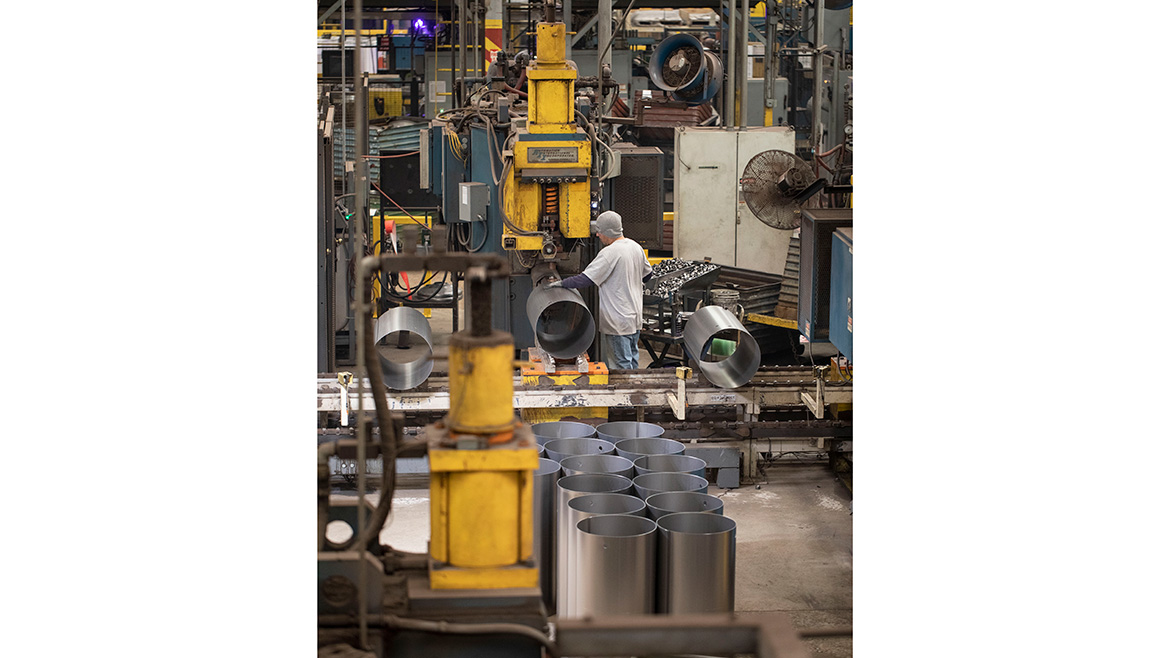
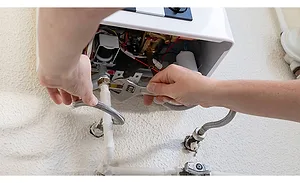
A. O. Smith's U.S. operations include manufacturing, engineering, and research and development. Image courtesy of A.O. Smith
With an incredible history spanning over 150 years, American manufacturing is at the heart of A. O. Smith. Evolving from a small Wisconsin-based company into one of the world's leading manufacturers of water heating and water treatment solutions. Founded in 1874, the company has maintained a strong domestic manufacturing presence throughout its history, producing products that serve residential, commercial and industrial markets across North America.
Today, A. O. Smith's U.S. operations include manufacturing, engineering, research and development, and workforce training initiatives that support both product innovation and customer service. As the company approaches its 151st year in business, it continues to invest in domestic production capabilities while adapting to changing market demands, evolving regulations and emerging technologies.
Plumbing & Mechanical spoke with President and General Manager of North American Water Heating, Stephen O’Brien, to discuss the company’s commitment to American manufacturing.
Your company has maintained a significant manufacturing presence in the United States. What are the biggest advantages of domestic production for your customers and partners?
We believe that our significant manufacturing footprint in the U.S. puts us in a position to provide our customers with the best service and landed cost throughout the country. Especially with tank water heaters, shipping costs can be a large part of the landed cost, so manufacturing close to the consumer is important. We can also respond quickly with emergency needs or spikes in demand throughout the country.
How does manufacturing in the U.S. influence product innovation, workforce development and your ability to respond to changing market demands?
Manufacturing in the U.S. allows innovation to span portfolio planning, engineering and design, and manufacturing. Working together, these teams can develop the most innovative and industry leading products possible. Engineers spend time on the factory floor to learn how to design the next generation of products to be easier to manufacture, which often makes them easier to install and service as well. Our workforce is composed of talented and dedicated employees who want to make the highest quality products possible for our customers and the industry. We can also react to changing demands very quickly to ensure businesses and consumers have hot water when they need it.
Looking for a reprint of this article?
From high-res PDFs to custom plaques, order your copy today!
As supply chains continue to evolve, what role do you see domestic manufacturing playing in the future of the plumbing and mechanical industries?
Domestic manufacturing will continue to play a major role in the future of our manufacturing. Many of our raw materials and components are sourced from North America, which provides optimal flexibility.
Back to Menu
Uponor (GF Building Flow Solutions)
Founded: 1918 | North American Headquarters: Apple Valley, Minnesota
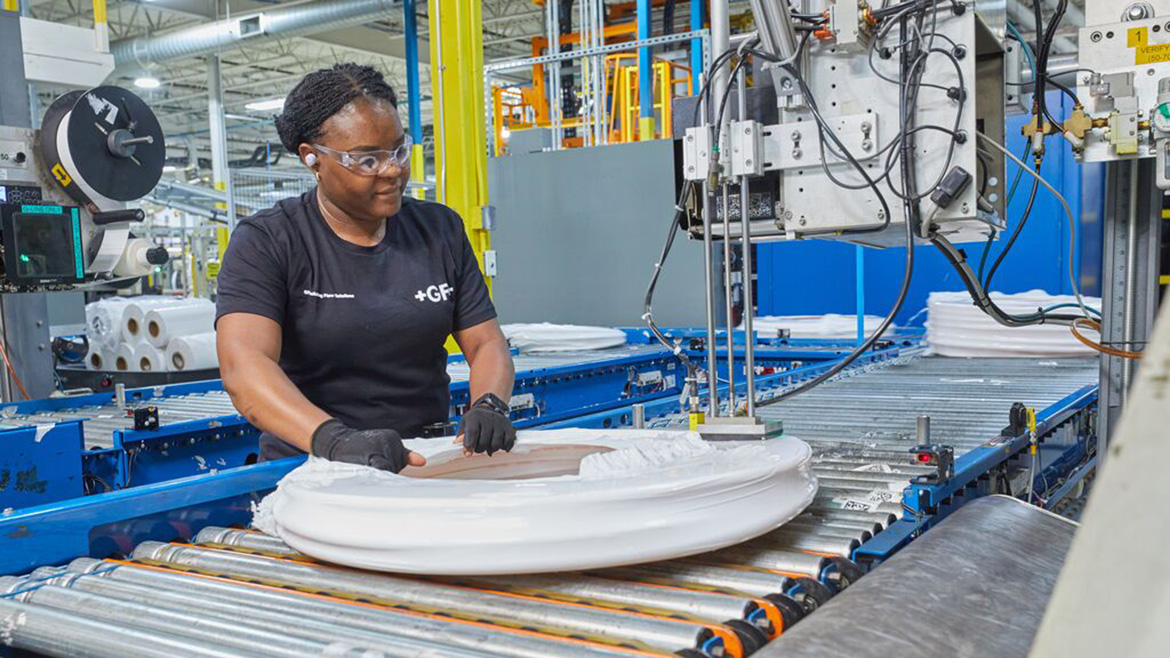
An employee at GF’s Apple Valley, MN facility. Image courtesy of Uponor
For decades, Uponor has played a significant role in advancing plumbing, radiant heating and building solutions throughout North America. Now operating as part of GF Building Flow Solutions following its acquisition by Georg Fischer, the company maintains a strong manufacturing presence in the United States, producing PEX piping systems and related technologies that serve residential, commercial and industrial applications.
Domestic manufacturing has long been a key component of Uponor's strategy, allowing the company to support customers with reliable product availability, engineering expertise and ongoing innovation. Its U.S. operations also provide opportunities to invest in workforce development, advanced manufacturing technologies and research efforts that help address evolving building performance, water quality and sustainability goals.
As the PHCP industry continues to navigate changing market conditions and supply chain demands, Uponor's commitment to American manufacturing remains an important part of its ability to serve contractors, distributors, engineers and building owners. Representatives from Uponor spoke with Plumbing & Mechanical regarding the importance of American manufacturing.
Your company has maintained a significant manufacturing presence in the United States. What are the biggest advantages of domestic production for your customers and partners?
Producing in the US allows us to quickly respond to customer needs and be very responsive. This also allows us to best deliver a superior customer experience regarding service levels, quality and delivery.
How does manufacturing in the U.S. influence product innovation, workforce development and your ability to respond to changing market demands?
With our resources focused in the US, we can work rapidly to innovate our product offerings to bring new product offerings to the market and allows us to continue being an innovation leader.
As supply chains continue to evolve, what role do you see domestic manufacturing playing in the future of the plumbing and mechanical industries?
We have a robust network of suppliers both in the US and internationally. Based on product lead-times, we make our sourcing decisions to best support our customers.
Back to Menu
Charlotte Pipe & Foundry
Founded: 1901 | Headquarters: Charlotte, North Carolina
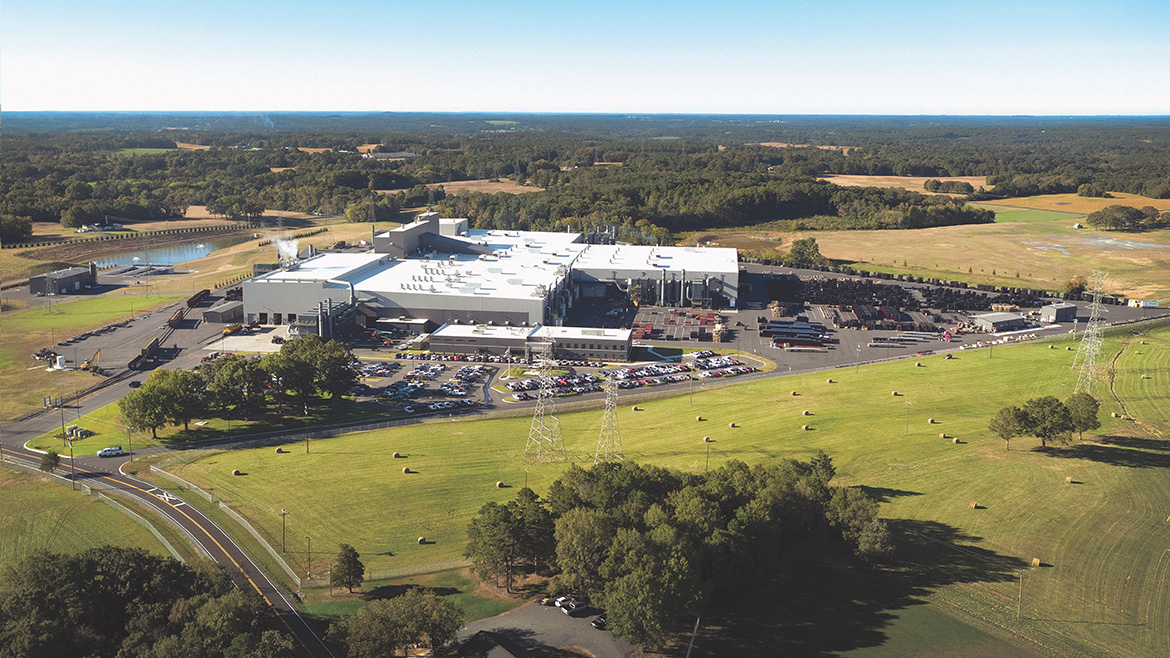
An aerial view of Charlotte’s Oakboro, NC facility. Image courtesy of Charlotte Pipe & Foundry
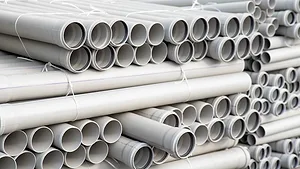
For more than a century, Charlotte Pipe & Foundry has manufactured pipe and fittings in the United States, supplying products that support residential, commercial and industrial construction projects across the country.
As a family-owned business now in its fourth generation of leadership, Charlotte Pipe has built its reputation on domestic manufacturing, investing heavily in U.S. production facilities, workforce development and technological advancement. The company's manufacturing operations have expanded alongside the nation's infrastructure growth.
Today, Charlotte Pipe continues to invest in American manufacturing capacity to support growing demand while maintaining a focus on quality, reliability and customer service. Its long-standing commitment to domestic production also provides opportunities to develop skilled workers, strengthen supply chain resilience and respond quickly to changing market needs.
Brad Muller, VP of Corporate Communications, discussed the value of manufacturing in the United States, how domestic production influences innovation and workforce development, and why American manufacturing remains central to the company's long-term vision.
Your company has maintained a significant manufacturing presence in the United States. What are the biggest advantages of domestic production for your customers and partners?
Charlotte Pipe and Foundry is proud to manufacture pipe and fittings in the United States. It’s a commitment we have upheld for 125 years.
Because we operate under strict quality control standards, our customers can depend on consistent, high-performing products. Our pipe and fittings are manufactured to meet U.S. building codes and industry standards, enabling engineers, contractors, and inspectors to work more efficiently with fewer compliance concerns.
Producing domestically also strengthens the supply chain. Shorter supply lines reduce exposure to port congestion, shipping delays, and geopolitical disruptions, resulting in shorter lead times, faster delivery, and greater responsiveness to project needs.
How does manufacturing in the U.S. influence product innovation, workforce development and your ability to respond to changing market demands?
By maintaining operations domestically, we retain greater control over our processes. From product design and material selection to testing and production, we can improve our performance and bring innovations to the market more efficiently.
Domestic manufacturing also supports workforce development by creating and sustaining skilled jobs. It allows us to invest directly in our people through training, technology, and career growth opportunities, helping to build a knowledgeable workforce that understands both our products and our customers’ needs. This depth of expertise is essential to maintaining high quality standards and advancing our capabilities over time.
Equally important, producing in the U.S. enhances our ability to respond to market demands with greater speed and flexibility. Shorter supply chains and closer proximity to our customers allow us to adjust production schedules, address shifting demand, and support custom or specialized needs more efficiently. This responsiveness ensures we can partner more effectively with engineers, contractors, and distributors to meet evolving project requirements.
As supply chains continue to evolve, what role do you see domestic manufacturing playing in the future of the plumbing and mechanical industries?
As supply chains continue to evolve, we believe domestic manufacturing will play an increasingly important role in the future of the plumbing and mechanical industries. Recent disruptions including geopolitical conflicts and transportation challenges have highlighted the vulnerabilities of extended global supply chains and reinforced the value of producing critical infrastructure products closer to where they are needed.
Looking ahead, we also see domestic manufacturing supporting continued investment in capacity, technology, and infrastructure. At Charlotte Pipe, we’ve made strategic investments in new and expanded facilities to better serve growing regions and meet increasing demand, reinforcing our ability to support customers both today and in the future.
In addition, domestic production will remain critical to driving innovation, workforce development, and sustainability. Maintaining manufacturing operations in the U.S. allows companies to invest in advanced processes, develop skilled talent, and operate under strong environmental standards, all of which are essential to the long-term health of the industry.
Back to Menu
Sloan Valve Company
Founded: 1906 | Headquarters: Franklin Park, Illinois
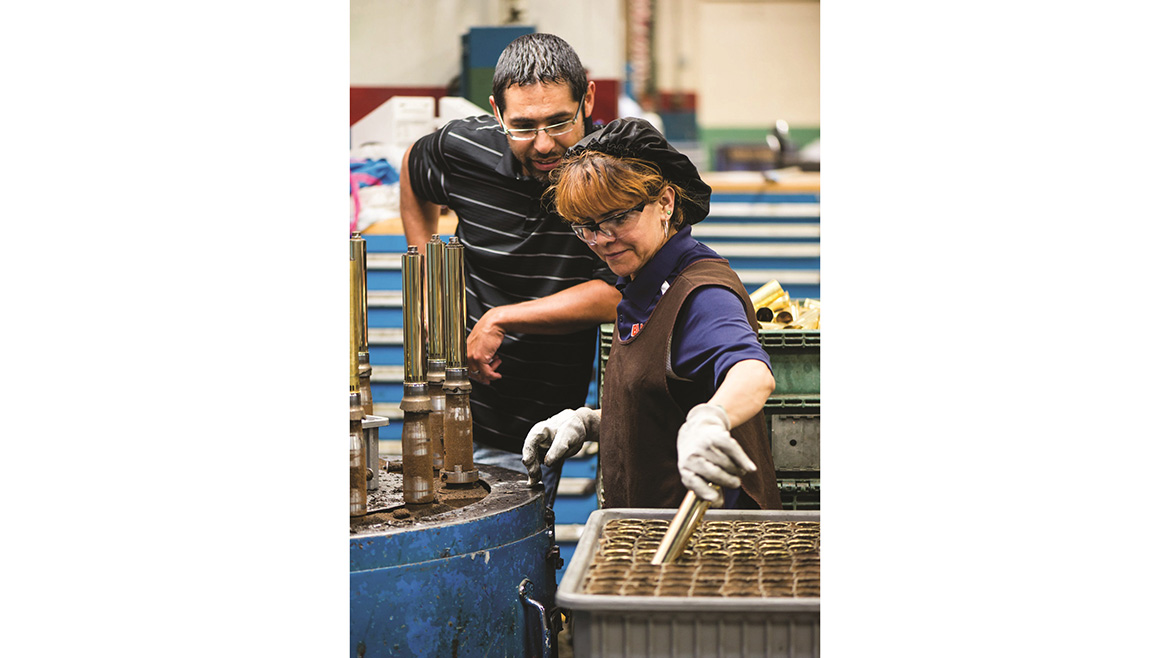
Two employees at a Sloan facility. Image courtesy of Sloan Valve Company
For more than a century, Sloan has been a name in commercial plumbing, helping shape the evolution of water efficiency, restroom technology and sustainable building design. Founded in 1906, the company pioneered the flushometer and has continued to manufacture plumbing products that serve commercial, institutional and industrial facilities throughout North America.
Sloan's long-standing commitment to domestic manufacturing has enabled the company to maintain close connections between product development, engineering and production while supporting customers with reliable product availability and technical expertise. Over the decades, the company has played a key role in advancing water conservation technologies and helping building owners meet increasingly stringent performance and sustainability goals.
Today, Sloan continues to invest in U.S. manufacturing operations, workforce development and product innovation as it responds to evolving market demands and changing building requirements. The company's domestic footprint supports not only operational flexibility and quality control, but also the development of technologies designed to improve water efficiency and user experience in commercial environments.
Your company has maintained a significant manufacturing presence in the United States. What are the biggest advantages of domestic production for your customers and partners?
Sloan’s long-standing U.S. manufacturing presence allows us to deliver shorter lead times, faster response times, and greater supply reliability—key expectations for today’s customers and partners. It also enables us to offer lower minimum order quantities and more responsive service across our entire portfolio.
Just as importantly, our domestic infrastructure supports the full lifecycle of our products. If a customer needs service or replacement parts for a valve originally produced decades ago—even one dating back to 1964—we have the expertise and manufacturing capabilities in place to support it.
Backed by nearly 120 years of operation and a significant U.S. manufacturing footprint, Sloan provides customers with confidence. They know they can rely on us for high-quality products, dependable delivery, and long-term support.
How does manufacturing in the U.S. influence product innovation, workforce development and your ability to respond to changing market demands?
Manufacturing in the United States plays a critical role in how Sloan innovates, develops talent, and responds to evolving market demands.
First, the co-location of engineering and manufacturing teams creates a highly efficient environment for innovation. With engineers embedded alongside production, we’re able to build on institutional knowledge and accelerate product development.
It also allows us to bring customers and partners on-site to collaborate directly with our teams —creating real-time feedback loops that lead to faster iteration and more effective solutions. This foundation has supported a strong track record of innovation, reflected in more than 200 patents.
In addition, our U.S. footprint strengthens workforce development. Sloan was recently certified as a Great Place to Work!, supported by a highly tenured employee base and a 120-year legacy. At the same time, our investment in advanced manufacturing and engineering continues to attract new talent. With these functions co-located, we’re able to offer meaningful career growth opportunities, demonstrated by a strong rate of internal promotion and ongoing skill development.
As supply chains continue to evolve, what role do you see domestic manufacturing playing in the future of the plumbing and mechanical industries?
As supply chains continue to evolve, domestic manufacturing will play an increasingly strategic role in the plumbing and mechanical industries. We’re seeing a clear shift toward a “make it where you sell it” approach—driven by the need to enhance customer experience while reducing geopolitical risk and supply chain disruption.
We expect this trend to continue, particularly for products where reliability, serviceability, and long-term support are critical. Companies with an established domestic manufacturing presence will be better positioned to respond quickly to changing market conditions and customer needs.
Sloan has been aligned with this approach for decades, and we’re proud to continue leading with a model that supports resilience, innovation, and strong customer partnerships.
Back to Menu