The foundation of reliable gas ignition
Why silicon carbide remains a standard for gas ignition.
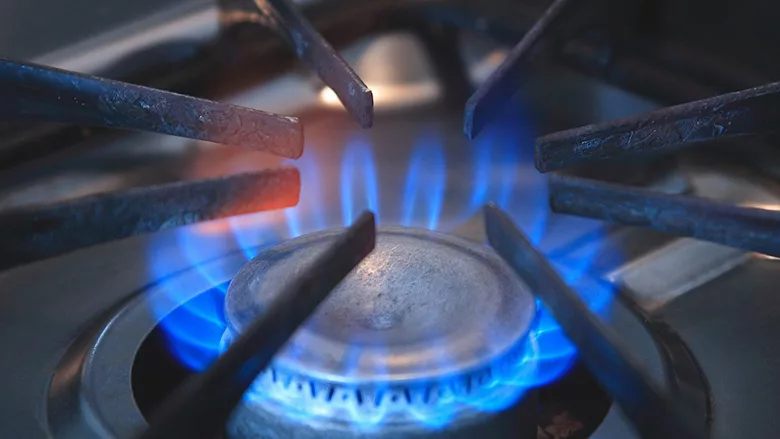
Silicon carbide hot surface ignition has been used in gas-powered equipment for decades, because it delivers consistent ignition in environments defined by heat, thermal cycling and combustion byproducts. In appliance applications — where ignition must be repeatable, safe, and manufacturable at scale — silicon carbide remains the baseline material against which other igniter technologies are often compared.
The history of silicon carbide ignition is closely tied to the development of early commercial igniter geometries, most notably the double‑helix form that helped standardize hot surface ignition in gas appliances. Today, silicon carbide igniters remain widely used across cooking equipment, laundry appliances, and HVAC systems because they are practical to design around, produce, and support through both OEM production and replacement channels.
How a hot surface igniter works in a safety critical sequence
A hot surface igniter functions as part of a controlled ignition system rather than as a simple heating element. In many gas‑fired appliances, the ignition process follows a defined sequence: the igniter is energized first and allowed to heat before the gas valve opens. This approach ensures that a reliable ignition source is already present when fuel is introduced.
Technical guidance on gas appliance design often describes these systems as “self‑proving.” Electrical current heats the igniter and, after a timed delay, signals the gas valve to open — a method widely used in ovens and other gas‑fired equipment. Manufacturer documentation typically reflects a similar sequence: purge, igniter energizing, gas release, and flame verification.
Because of this controlled sequence, hot surface ignition is considered safety‑critical. Ignition is not a chance event, but a deliberate, timed process designed to minimize mis‑ignition and support reliable burner light‑off across repeated operating cycles.
Why silicon carbide performs well as an ignition material
Silicon carbide remains an effective ignition material because it can be formed into elements that heat quickly and predictably. When energized, silicon carbide igniters typically reach ignition‑ready temperatures above 2000°F (1100°C) within roughly 15–60 seconds, depending on design and operating voltage. This predictable behavior allows system designers to coordinate ignition timing with gas flow for consistent burner operation.
Published specifications for hot surface igniters commonly describe performance in terms of time‑to‑temperature behavior. Silicon carbide elements consistently achieve the thermal output required for gas ignition in real‑world appliance environments. Specifications also include controlled room‑temperature resistance ranges used by engineers and service technicians to verify proper operation during design, testing, and maintenance.
Beyond heat‑up performance, silicon carbide is valued as a technical ceramic capable of withstanding harsh operating environments. It maintains strength at high temperatures and resists degradation from combustion byproducts and repeated thermal cycling. These properties help explain why silicon carbide continues to be used in demanding high‑temperature applications where durability and consistency are critical.
While alternative ignition technologies — such as spark systems and silicon nitride igniters—are used in certain applications, silicon carbide remains widely adopted due to its predictable resistance characteristics, established manufacturing processes, and long history of field performance across millions of appliances.
Durability in practice: from manufacturing precision to field handling
Silicon carbide igniters can withstand high temperatures and repeated thermal cycling, but long‑term reliability depends on more than material properties alone. As a ceramic component, an igniter must be properly supported, mounted, and handled to perform as intended throughout its service life.
Service guidance consistently emphasizes handling the igniter by its ceramic base rather than the heating element itself, reducing the risk of microfractures during installation or maintenance.
These considerations extend upstream to design and manufacturing decisions. Mounting geometry, lead attachment and mechanical support all influence how well the igniter withstands vibration, thermal stress, and handling once it leaves the factory. In real‑world service environments — where installation conditions are not always ideal — these details can significantly affect performance and longevity
Ignition reliability also depends on manufacturing consistency. Even with a well‑understood material, hot surface ignition systems require tightly controlled performance characteristics across large production volumes. Specifications commonly define acceptable ranges for parameters such as time‑to‑temperature behavior, room‑temperature resistance, and minimum operating temperatures. These controls allow engineers to design ignition sequences that behave predictably from unit to unit.
For appliance OEMs, this repeatability is essential. Systems must ignite reliably across thousands — or even millions — of appliances while supporting aftermarket replacement scenarios that require drop‑in compatibility and predictable performance.
Applying proven ignition technology in modern gas appliances
Across gas‑fired equipment, silicon carbide remains a foundational ignition technology for applications that demand consistent performance, long service life and compliance with regulatory requirements. Manufacturers must balance multiple constraints: ignition systems must integrate into original equipment designs while also supporting service and replacement scenarios where compatibility, safety approvals, and installation readiness are essential.
According to the company, Surface Igniter operates within this framework as a long‑standing manufacturer of hot surface ignition solutions based on silicon carbide technology. Its igniters are engineered to meet OEM material and performance expectations while addressing the practical realities of service and repair environments.
In applications such as gas ranges, igniters are often specified as direct replacements aligned with established part numbers, allowing technicians to restore equipment quickly without altering system behavior or compromising safety. This focus on compatibility and installation‑ready design helps reduce downtime and deliver predictable results in the field.
Surface Igniter further differentiates itself through a focus on quality, compliance, and durability. Its ignition components are produced to meet recognized safety and environmental standards, including CSA approval and RoHS and REACH compliance. These certifications help ensure reliable performance while aligning with broader industry expectations for safety, materials, and responsible manufacturing.
As gas appliance designs continue to evolve — driven by changing control strategies, regulatory requirements, and supply‑chain pressures — the fundamental requirement of ignition remains unchanged: systems must light reliably and safely across thousands of operating cycles. Silicon carbide’s history of performance, predictable electrical behavior and compatibility with established appliance architectures ensures it remains a dependable ignition solution for modern gas‑fired equipment.
Looking for a reprint of this article?
From high-res PDFs to custom plaques, order your copy today!