Radiant Comfort Report Spring 2024 Edition
Protecting what matters most in your radiant system — the water
Water quality is a critical component to radiant and hydronic systems.
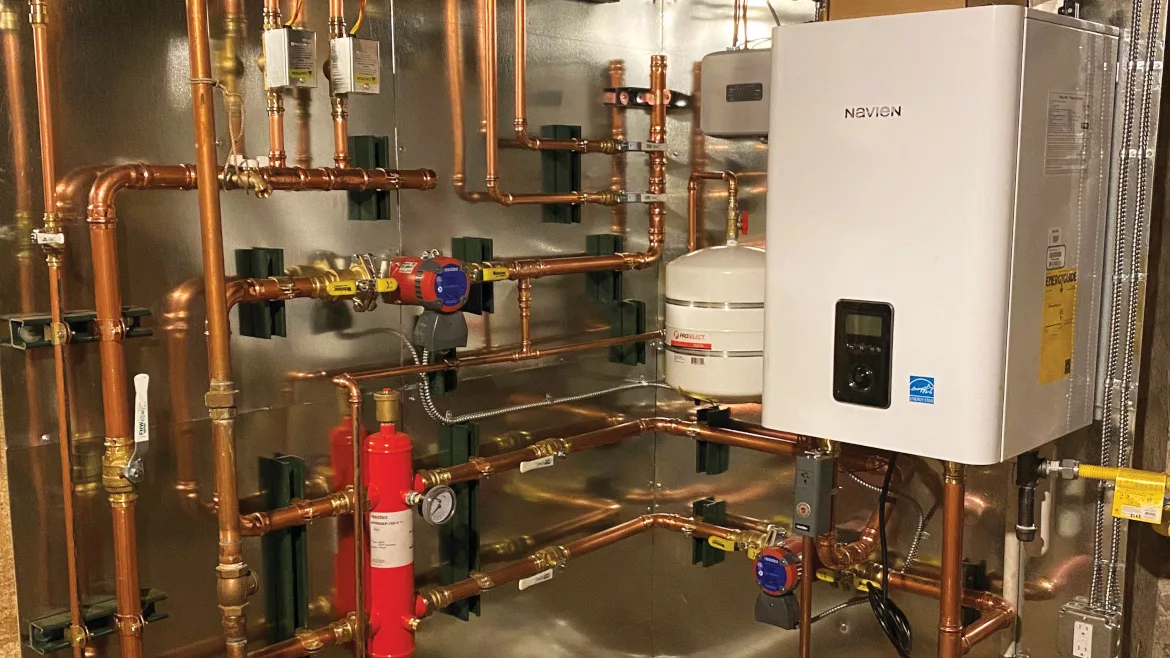
The efficiency and longevity of a boiler system heavily relies on the quality of water it utilizes. Poor water quality can lead to various issues such as corrosion, scale buildup and reduced heat transfer efficiency, ultimately impacting performance and increasing operational costs. Image courtesy of Resideo
Have you ever looked at a failed atmospheric dual check backflow preventer? Most of the return requests are due to leaking at the vent. This is the purpose of the device — to not allow any of the closed-loop system water to return to the potable water supply. The backflow preventer is critical in protecting the water you drink, but it is also important to treat the water in your radiant comfort system — behind those check valves.
Boiler systems are fundamental components of residential heating, providing warmth, comfort and hot water for households. The efficiency and longevity of these systems heavily rely on the quality of water they utilize. Poor water quality can lead to various issues such as corrosion, scale buildup and reduced heat transfer efficiency, ultimately impacting performance and increasing operational costs. Thus, maintaining high water quality is paramount for ensuring the smooth operation and longevity of residential boiler systems.
Understanding water quality
Water quality refers to the chemical, physical, biological and radiological characteristics of water. In the context of boiler systems, several key parameters must be carefully monitored and controlled to maintain optimal water quality:
- Total Dissolved Solids (TDS): TDS represents the total concentration of dissolved substances in water, including minerals, salts and organic matter. Elevated TDS levels can lead to scale formation on boiler surfaces, reducing heat transfer efficiency and potentially causing overheating.
- pH Level: The pH level indicates the acidity or alkalinity of water. Proper pH control is essential for preventing corrosion of metal surfaces within the boiler system. Low pH levels can promote acidic corrosion, while high pH levels can lead to alkaline corrosion and scale formation.
- Dissolved Oxygen (DO): Dissolved oxygen in water can accelerate corrosion processes within boiler systems, particularly in the presence of elevated temperatures. Oxygen scavengers are often employed to minimize DO levels and mitigate corrosion risks.
- Alkalinity: Alkalinity serves as a buffer against rapid changes in pH levels, helping to maintain a stable environment within the boiler. Proper alkalinity control is essential for preventing corrosion and maintaining efficient operations.
- Chloride Concentration: Chloride ions can accelerate corrosion of metal surfaces, particularly in high-temperature environments. Monitoring and controlling chloride levels are crucial for preventing pitting and stress corrosion cracking in boiler systems.
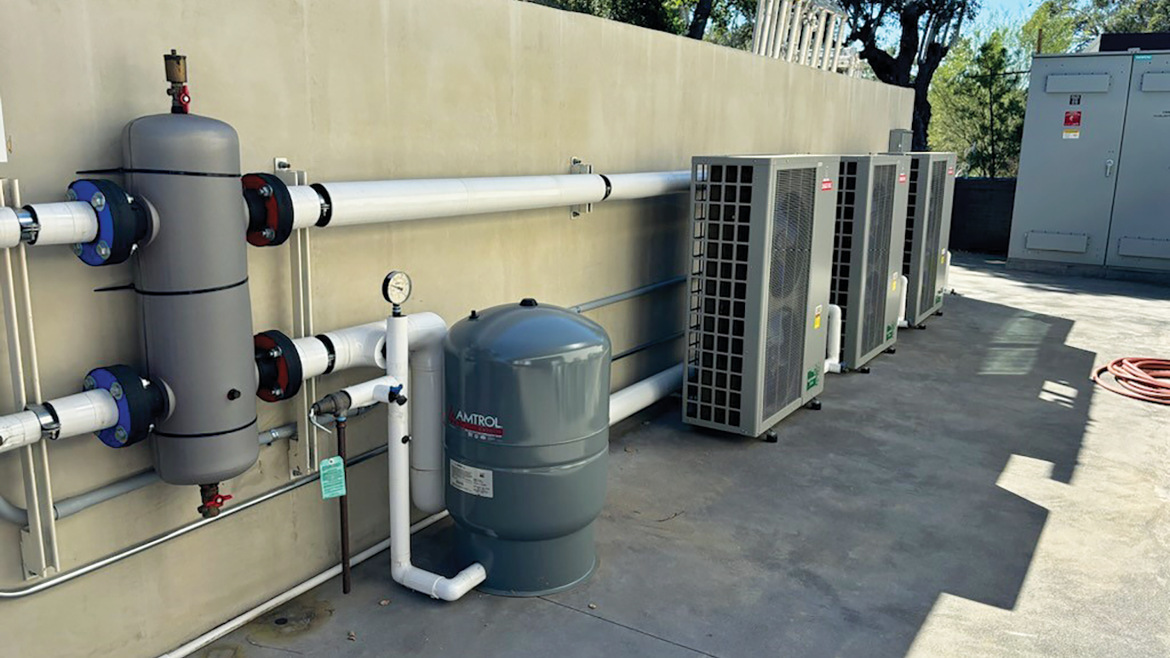
To mitigate the risks associated with poor water quality in boiler systems, several strategies and best practices can be implemented, including water treatment, monitoring and testing and regular maintenance. Image courtesy of Resideo
Challenges associated with poor water quality
Failure to maintain optimal water quality in boiler systems can lead to various operational challenges and negative consequences, including:
- Corrosion: Corrosion of boiler components can lead to structural degradation, leaks and failures, resulting in costly repairs and downtime.
- Scale Formation: Scale buildup on boiler surfaces reduces heat transfer efficiency, increases energy consumption and can lead to overheating and equipment failure.
- Reduced efficiency: Poor water quality diminishes the overall efficiency of boiler systems, leading to higher fuel consumption and operational costs.
- Safety hazards: Corrosion-related failures or scale buildup can pose safety hazards, such as steam leaks or ruptures, endangering personnel and equipment.
- Environmental impact: Inefficient boiler operations due to poor water quality contribute to increased greenhouse gas emissions and environmental pollution.
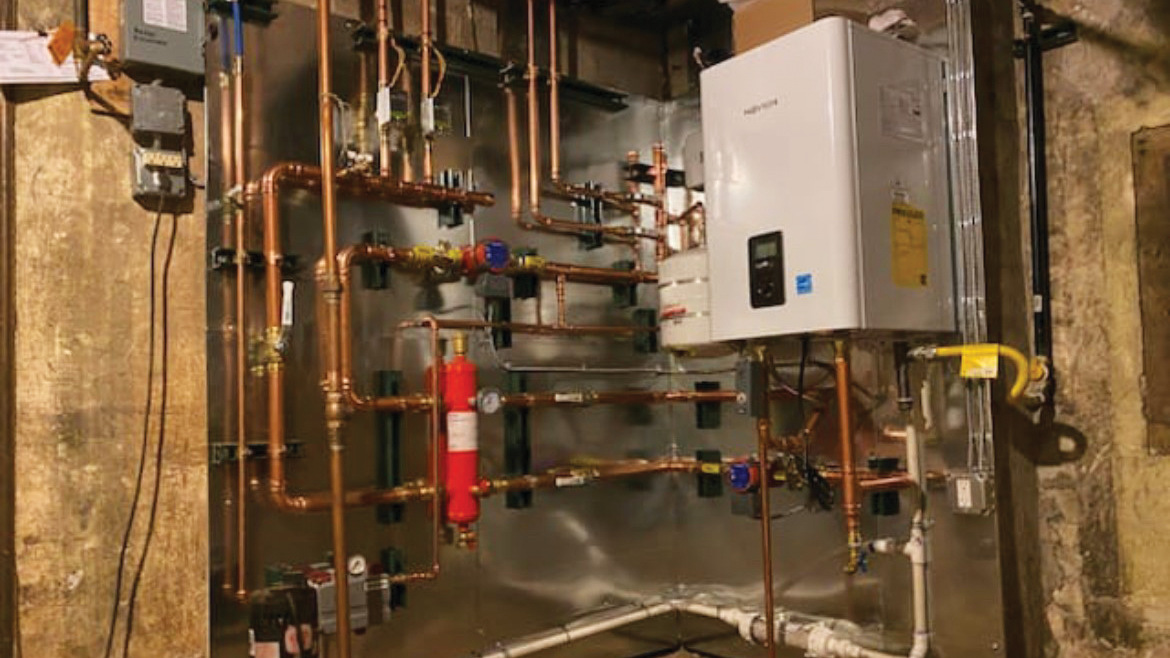
By incorporating a magnetic hydraulic separator into the radiant heating system, contractors can help ensure the longevity and reliability of their equipment while maintaining superior water quality. Image courtesy of Resideo
Strategies for maintaining optimal water quality
To mitigate the risks associated with poor water quality in boiler systems, several strategies and best practices can be implemented:
- Water treatment: Employing effective water treatment processes, such as filtration, softening, demineralization and reverse osmosis, can remove impurities and improve water quality before it enters the boiler system.
- Chemical treatment: Utilizing water treatment chemicals, including corrosion inhibitors, scale inhibitors, oxygen scavengers and pH adjusters, helps maintain water chemistry within desirable ranges and mitigate corrosion and scale formation.
- Monitoring and testing: Regular monitoring and testing of water quality parameters, such as TDS, pH, DO, alkalinity and chloride concentration, are essential for identifying deviations from optimal conditions and implementing corrective actions promptly.
- Control systems: Implementing advanced control systems and automation technologies enables real-time monitoring and adjustment of water quality parameters, enhancing operational efficiency and reducing the risk of adverse effects.
- Regular maintenance: Performing routine maintenance activities, such as cleaning, inspection and calibration of equipment, ensures the optimal performance and longevity of boiler systems.
Water quality plays a critical role in the performance, efficiency and longevity of radiant heating systems. Poor water quality can lead to corrosion, scale buildup, reduced efficiency and safety hazards, ultimately impacting operational costs and productivity. By implementing effective water treatment, chemical treatment, monitoring and maintenance strategies, contractors can ensure optimal water quality and maximize the reliability and efficiency of their radiant heating systems.
In addition to these measures, the integration of specialized equipment — like a boiler feed combo valve — can ensure an extra layer of protection for the potable water system and combines the functionality of a boiler feed unit and a testable backflow preventer, providing a comprehensive solution for maintaining water quality and preventing contamination of the potable water supply.
For radiant heating systems, the installation of a magnetic hydraulic separator is paramount for helping to keep the water clean and free from magnetic and non-magnetic particles. These separators efficiently remove suspended solids, sludge and debris from the circulating water, preventing blockages, reducing wear and tear on system components, and optimizing heat transfer efficiency. By incorporating a magnetic hydraulic separator into the radiant heating system, contractors can help ensure the longevity and reliability of their equipment while maintaining superior water quality.
Investing in water quality management, including the adoption of advanced equipment is not only essential for operational success but also contributes to sustainability and protection of the residential radiant system. By prioritizing water quality, contractors can safeguard their installations, minimize risks and protect what matters most — their customers.
RADIANT COMFORT REPORT
Related Articles
Looking for a reprint of this article?
From high-res PDFs to custom plaques, order your copy today!