
search
cart
facebook instagram twitter linkedin youtube
  • Sign In
  • Create Account
  • Sign Out
  • My Account
  • NEWS
  • PRODUCTS
    • FEATURED PRODUCTS
  • CONTRACTORS
    • BATH & KITCHEN PRO
    • BUSINESS MANAGEMENT
    • HIGH EFFICIENCY HOMES
    • TECHNOLOGY
    • WATER TREATMENT
    • PMC COLUMNS
      • Dave Yates: Contractor’s Corner
      • John Siegenthaler: Hydronics Workshop
      • Kenny Chapman: The Blue Collar Coach
      • Matt Michel: Service Plumbing Pros
      • Scott Secor: Heating Perceptions
  • ENGINEERS
    • CONTINUING EDUCATION
    • DECARBONIZATION | ELECTRIFICATION
    • FIRE PROTECTION
    • GEOTHERMAL | SOLAR THERMAL
    • PIPING | PLUMBING | PVF
    • PME COLUMNS
      • Christoph Lohr: Strategic Plumbing Insights
      • David Dexter: Plumbing Talking Points
      • James Dipping: Engineer Viewpoints
      • John Seigenthaler: Renewable Heating Design
      • Lowell Manalo: Plumbing Essentials
      • Misty Guard: Guard on Compliance
  • RADIANT & HYDRONICS
    • RADIANT COMFORT REPORT
    • THE GLITCH & THE FIX
  • INSIGHTS
    • CODES
    • GREEN PLUMBING & MECHANICAL
    • PROJECT PROFILES
    • COLUMNS
      • Codes Corner
      • Natalie Forster: Editorial Opinion
      • Guest Editorial
  • MEDIA
    • EBOOKS
    • PODCASTS
    • VIDEOS
    • WEBINARS
  • RESOURCES
    • INDUSTRY CALENDAR
    • DIRECTORIES
    • PM BOOKSTORE
    • CE CENTER
    • MARKET RESEARCH
    • CLASSIFIEDS
  • EMAGAZINE
    • EMAGAZINE
    • ARCHIVE ISSUES
    • CONTACT
    • ADVERTISE
    • PME EMAGAZINE ARCHIVES
  • SIGN UP!
Plumbing News

Propane Council reinforces a need for resilient building during National Preparedness Month
PERC-emergency-preparedness.gif
September 13, 2023

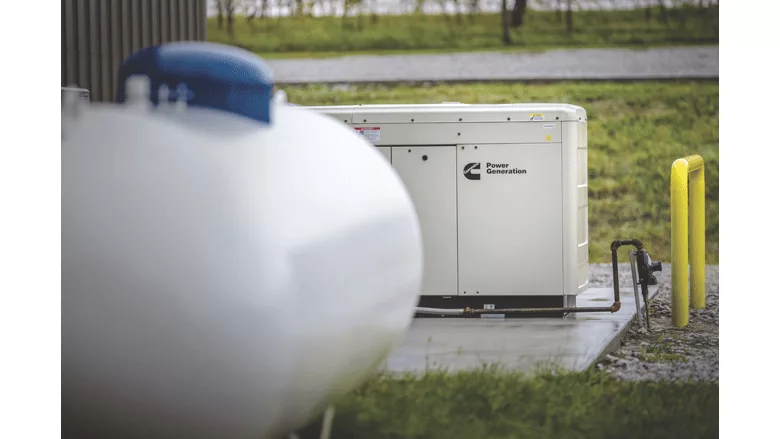
The Propane Education & Research Council (PERC) is reminding construction professionals about the benefits of specifying and building with propane during National Preparedness Month. Propane is an ideal energy source for prime and secondary power generation because it’s a low-carbon energy option that is efficient and reliable. 

“Weather extremes like heat waves, tornadoes, and winter storms have a direct impact on the fragile electric grid causing it to go offline. Businesses are put at risk and can be financially impacted because of those power outages,” said Jim Bunsey, director of commercial business development at PERC. “Including propane power generation systems ensures critical systems keep working even when the electric grid isn’t.” 

The demand for secondary power sources is growing. More than half of states recognize combined heat and power (CHP) systems as part of their Renewable Portfolio Standards or Energy Efficiency Resource Standards. Several states, including Colorado, Maryland, Massachusetts, Pennsylvania, and Washington, have initiated specific production incentive programs for CHP technologies. And that list is expanding. 

“Builders are working to meet stringent energy and environmental codes,” said Bunsey. “Because propane works in tandem with other clean energy sources like solar and wind, it is another solution to help builders meet guidelines in updated Standards.”

From micro-CHP units to innovative boiler systems and microgrids, there are several prime and secondary power generation systems available in a variety of sizes for construction professionals to utilize in designs. When those systems use propane, they are better for the environment. Propane produces 52% fewer greenhouse gas emissions than using the equivalent amount of electricity generated from the U.S. grid. That’s because a significant portion of electricity production comes from natural gas or coal generation plants which release CO2 emissions as part of the generation process. 

Propane is becoming cleaner with the development of renewable propane. Renewable propane has the same great features as conventional propane — reliability, portability, and reduced carbon emissions—but with even lower carbon emissions when compared with other energy sources. Made from a variety of renewable sources including plant oils, bio-waste, and used cooking grease, renewable propane has one of the lowest carbon intensity scores. While the carbon intensity of renewable propane depends on the renewable resource, it scores between 20.5 and 43.5 (grams CO2 equivalent per megajoule). Comparatively, conventional propane’s carbon intensity score is 80, diesel is 100, and gasoline is 101.

Construction professionals can download PERCs free resource, The Ultimate Guide to Power Generation, for an in-depth look at propane’s capabilities as a resilient energy source for residential, commercial, and industrial use. Learn more about the benefits of propane at Propane.com.

KEYWORDS: energy efficiency propane Propane Education & Research Council

Share This Story

Looking for a reprint of this article?
From high-res PDFs to custom plaques, order your copy today!

Recommended Content

JOIN TODAY
to unlock your recommendations.

Already have an account? Sign In

  • 2025 Next Gen ALL-STARS hero 1440

    2025 Next Gen All Stars: Top 20 Under 40 Plumbing Professionals

    This year’s group of NextGen All-Stars is full of young...
    Plumbing & Mechanical Contractor
    By: Kristen R. Bayles
  • Worker using the Milwaukee Tool SWITCH PACK drain cleaner

    Pipeline profits: Drain cleaning, pipe inspection create opportunities

    Drain cleaning and inspection services offer lucrative...
    Green Plumbing and Mechanical
    By: Nicole Krawcke
  • Uponor employee, Arturo Moreno

    The reinvestment in American manufacturing and training

    Plumbing & Mechanical Chief Editor Nicole Krawcke and...
    Plumbing News
    By: Nicole Krawcke and Natalie Forster
Manage My Account
  • eNewsletters
  • Online Registration
  • Subscription Customer Service
  • eMagazine
  • Manage My Preferences

More Videos

Popular Stories

Hot water pipes

Campus shutdown at Oakland University exposes hidden risks of aging hot-water infrastructure

Floor heating manifold cabinet with flowmeter and PEX pipe.

Elegance extended: How to use the homerun system of connecting heat emitters

Industrial pressure gauge on a tank.

From cutting edge to classic: How to modernize outdated pneumatic control systems

Poll

Will business be up or down in 2025?

Do you anticipate business in 2025 to be up or down in comparison to 2024?
View Results Poll Archive

Products

The Water Came To A Stop

The Water Came To A Stop

See More Products
eBook | 2025 Radiant & Hydronics All Stars

Related Articles

  • Building Safety Month

    Building Safety Month calls attention to the need for water conservation and efficiency

    See More
  • PERC

    Propane Council shares 3 commercial building trends for 2021

    See More
  • The proclamation also reads, “Maintaining the safety and resilience of our homes and buildings is imperative."

    President Obama proclaims May as National Building Safety Month

    See More

Related Products

See More Products
  • 51CHeeKvw4L._SX322_BO1,204,203,200_.jpg

    Hydronic Radiant Heating: A Practical Guide for the Nonengineer Installer

  • Inspector Book.jpg

    Lessons Learned: A Guide to Boilers for Home Inspectors

  • Significant Changes to the International Building Code 2015 Edition

See More Products
×

Keep your content unclogged with our newsletters!

Stay in the know on the latest plumbing & piping industry trends.

JOIN TODAY!
  • RESOURCES
    • Advertise
    • Contact Us
    • Directories
    • Store
    • Want More
    • Supply House Times
  • SIGN UP TODAY
    • Create Account
    • eMagazine
    • eNewsletter
    • Customer Service
    • Manage Preferences
  • SERVICES
    • Marketing Services
    • Reprints
    • Market Research
    • List Rental
    • Survey/Respondent Access
  • STAY CONNECTED
    • LinkedIn
    • Facebook
    • Instagram
    • YouTube
    • X (Twitter)
  • PRIVACY
    • PRIVACY POLICY
    • TERMS & CONDITIONS
    • DO NOT SELL MY PERSONAL INFORMATION
    • PRIVACY REQUEST
    • ACCESSIBILITY

Copyright ©2025. All Rights Reserved BNP Media.

Design, CMS, Hosting & Web Development :: ePublishing