In the 50 years since Legionnaires’ was given its name, tens of thousands of Americans have lost their lives to this disease which is the leading cause of waterborne illness and death in the US.
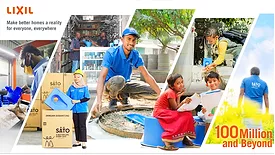
In collaboration with a diverse range of partners, LIXIL is focused on creating sanitation markets in global economies and rural communities.
Approximately 1.7 billion people do not have basic hygiene services at home. The human cost is devastating: more than 1,000 children under the age of five die every day from diseases spread by unsafe drinking water, poor sanitation, and inadequate hygiene.
Plumbing study shows higher flow velocities and right-sizing design strategies key to building water quality
This study, conducted by Drexel University and sponsored by the Plastic Pipe and Fittings Association, found that higher flow velocities and smaller diameter pipes (particularly 3/8”) deliver better water quality with higher disinfectant levels, reduced turbidity, and lower microbial activity.
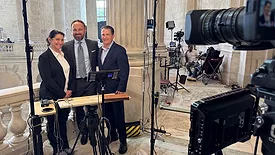
One of the most powerful parts of the trip was witnessing how personal stories and local successes resonate with policymakers. Whether it was a community's struggle with water quality or the adoption of cutting-edge conservation practices, these conversations helped bridge the gap between policy and lived experience.
IAPMO helps lead development of international roadmap to improve drinking water safety across APEC economies.
During a APEC workshop in Peru, IAPMO joined global experts, manufacturers and policymakers to address urgent water safety challenges and build a harmonized framework for safer, more sustainable drinking water systems throughout the Asia-Pacific region.
As end users become more aware of and knowledgeable about the damaging effects of PFAS, microplastics, other chemicals, and hard water, plumbing professionals must be up-to-date with the latest water treatment and filtration technologies on the market. Plumbing & Mechanical sat down with Sara Krupa, category manager, filtration at Moen, to talk all things water filtration.
As 2025 approaches, the U.S. Department of Labor prepares to unveil its annual inflation adjustments to civil monetary penalties. This year's updates will significantly affect OSHA penalties in the plumbing and mechanical industries. Stay informed about the key changes that could impact your business.
Formaldehyde, vital in resins and adhesives, poses serious health risks, with the U.S. EPA identifying 58 unsafe uses. Regulatory action is needed, but the impact of a potential second Trump administration on these regulations remains uncertain, highlighting concerns for public safety.
As 2025 begins, it's a moment for renewal. In November 2024, ECHA and European authorities updated the REACH proposal to restrict PFAS, aiming to ban them while permitting temporary use until alternatives are available.