
Hydronic System Integration With Gas Absorption Heat Pumps: Design Considerations for Performance and Reliability
What to know about GAHP sizing, zoning and system design
Need to Know
- Gas absorption heat pumps (GAHPs) combine gas input with ambient air heat to improve hydronic heating efficiency, particularly in applications with limited electrical capacity.
- Accurate heat loss calculations, proper zoning and emitter compatibility are essential to maximizing GAHP performance, preventing short cycling and maintaining consistent comfort.
- Hydraulic separation and properly sized buffer tanks help stabilize system flow, extend equipment runtimes and improve efficiency under varying load conditions.
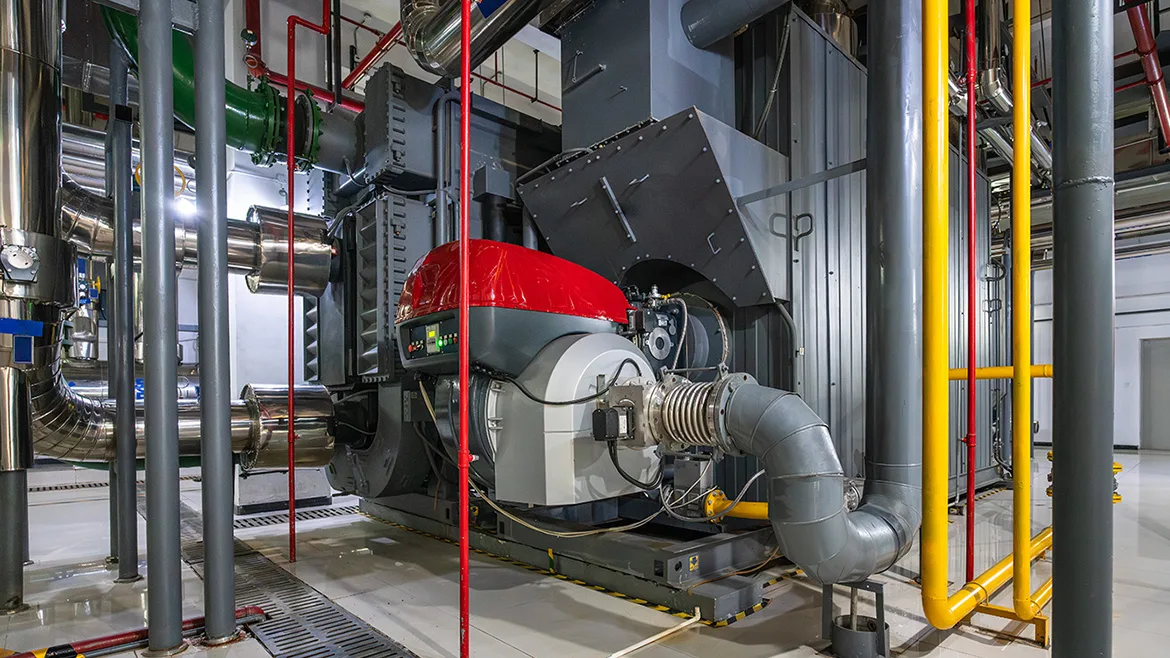
As the industry responds to increasing pressure around electrification, fuel diversity, and system efficiency, hydronic systems are being revisited as a flexible platform for integrating multiple heat sources. Gas absorption heat pumps (GAHPs) represent one such option, offering an alternative to conventional vapor compression systems while maintaining compatibility with hydronic distribution.
Rather than relying solely on electrically driven compression, GAHPs utilize a thermally driven cycle that allows heat to be extracted from ambient air and combined with input energy from a gas source. This hybrid approach creates opportunities for improved system performance under specific operating conditions, particularly in applications where electrical capacity is constrained or where gas infrastructure remains part of the energy mix.
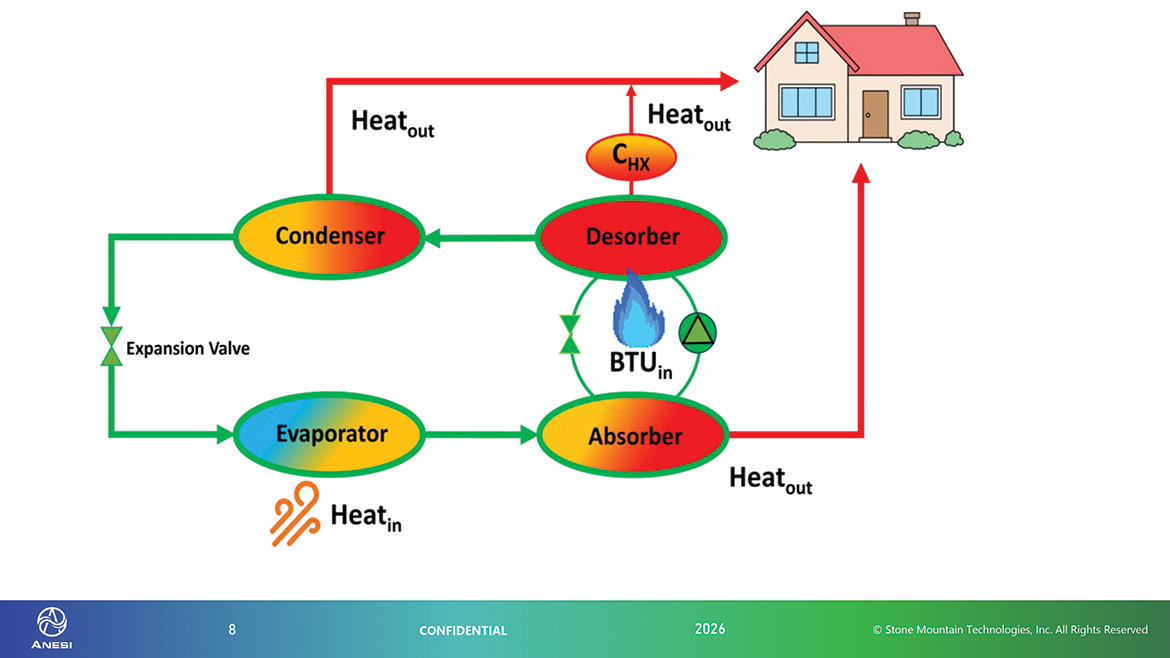
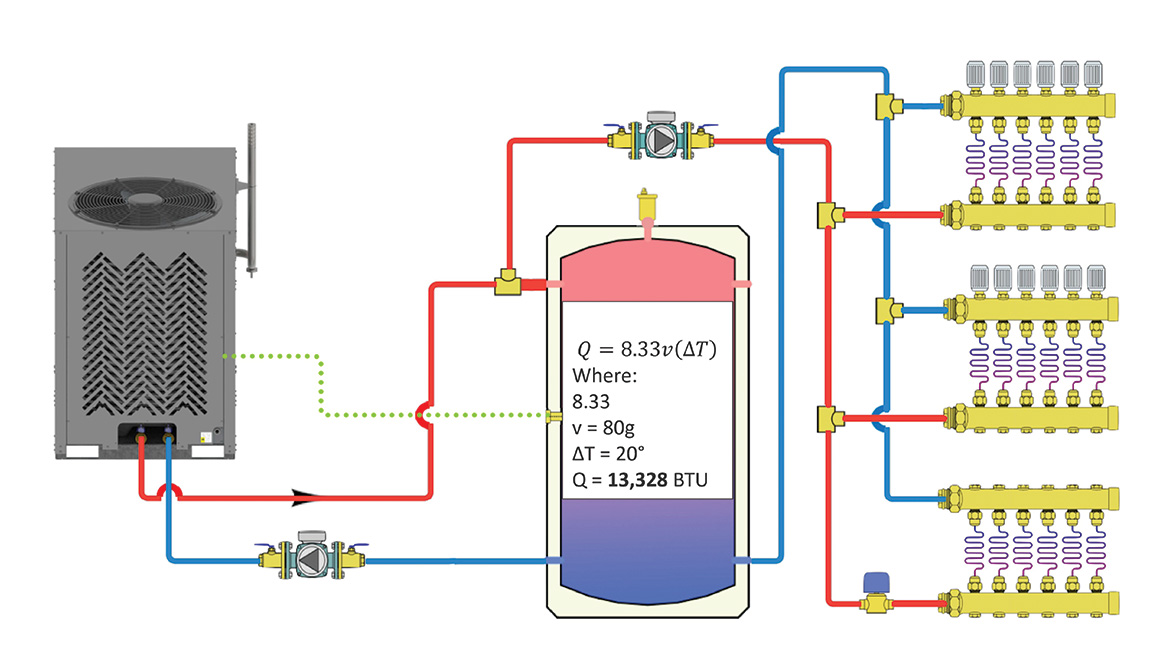
Figure 1 & 2. In a GAHP system, heat is moved through a series of components that work together to deliver consistent output. Images courtesy Bo DeAngelo
System Operation and Thermal Compression
Gas absorption heat pumps operate on a thermal compression cycle that differs from conventional vapor compression systems. Instead of a mechanical compressor, the system uses a combination of absorber, generator, condenser and evaporator components to move heat through a refrigerant solution, typically involving ammonia and water.
In practical terms, the system combines input energy with ambient heat to deliver a higher output than the fuel input alone. This allows GAHP systems to achieve efficiencies that exceed traditional combustion-based heating equipment. The absence of a conventional compressor also changes system dynamics, particularly in how the system responds to varying loads and ambient conditions.
Performance is influenced by both entering water temperature and outdoor air conditions. As ambient temperatures drop, system pressures and refrigerant behavior shift, which can impact capacity and efficiency. Lower return water temperatures improve system performance by reducing condenser pressure, highlighting the importance of proper hydronic design.
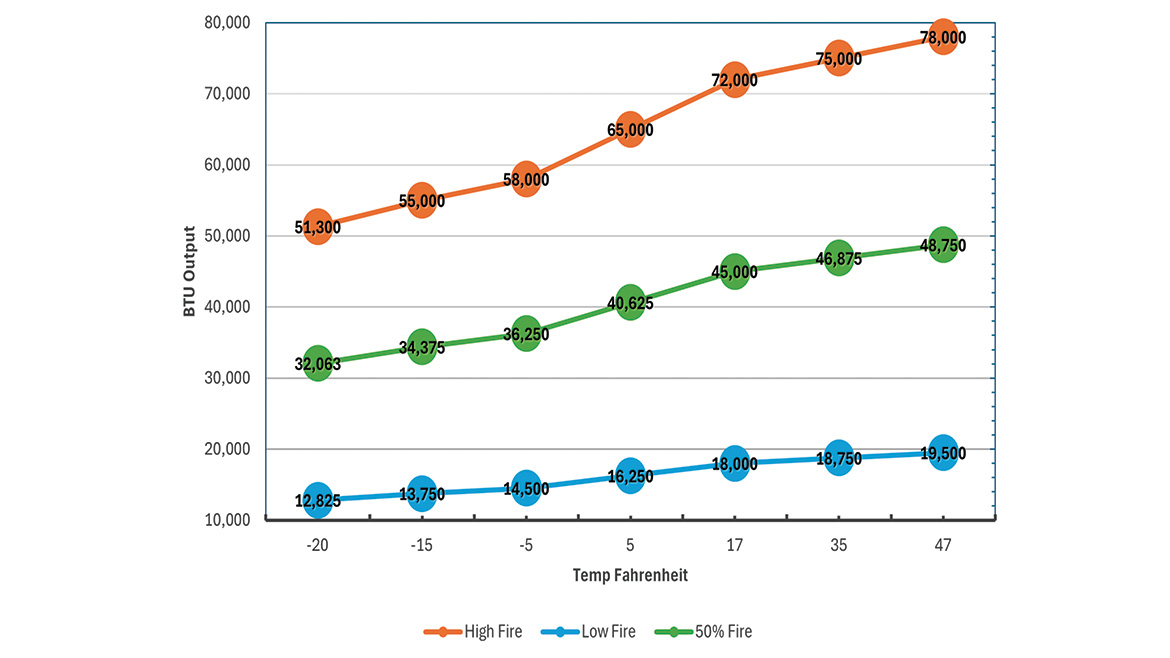
Figure 3. Image courtesy Bo DeAngelo
Heat Loss, Sizing, and Zoning Strategy
Accurate heat loss calculations are fundamental to successful GAHP integration. System sizing must reflect both peak demand and partial load conditions, ensuring that the equipment can operate efficiently across a range of scenarios.
Minimum output thresholds play a critical role. GAHP systems are designed to operate with minimum runtimes, often targeting sustained operation periods to maintain efficiency. If zones are undersized relative to system output, short cycling can occur, reducing performance and increasing wear.
Zoning strategy must account for the relationship between individual room loads and combined zone loads. Smaller zones may represent only a fraction of the system’s minimum output, requiring careful coordination to ensure stable operation. Room-by-room heat loss analysis supports both design and commissioning. Understanding how each space contributes to overall demand allows for more precise zoning decisions, improved comfort control and easier troubleshooting during operation.
Hydronic Performance and Temperature Relationships
Hydronic system performance is closely tied to temperature relationships within the loop. GAHP systems typically operate with a defined temperature differential between supply and return water, and system design must ensure that this differential is maintained under varying conditions. Entering water temperature drives condenser performance, while leaving water temperature determines how effectively heat is delivered to the system. Heat exchanger selection becomes critical, particularly when separating the heat pump loop from the distribution system.
Each heat exchanger must be evaluated across multiple operating conditions. A design that performs well at peak load may behave differently under partial load or varying ambient conditions. Iterative analysis is often required to ensure that the system delivers consistent output across its full operating range. Lower return water temperatures improve overall efficiency, reinforcing the value of system designs that maximize heat extraction at the emitter level.
System Evaluation and Emitter Compatibility
Successful integration of GAHP systems depends on evaluating the existing or proposed distribution system.
Emitter type has a direct impact on system performance. Common hydronic emitters include convectors, radiators, and radiant panels, each with different output characteristics and temperature requirements.
Baseboard systems, for example, are typically rated based on average water temperature. As water moves through the circuit, temperature drops, affecting output along the length of the emitter. Accurate performance calculations require accounting for this variation rather than relying solely on nominal ratings. Radiators, particularly panel and cast-iron designs, can perform effectively at lower water temperatures when properly sized. In many retrofit scenarios, existing radiators may be oversized relative to current loads, which can support lower temperature operation and improved system efficiency.
Radiant panel systems offer another approach, operating at lower water temperatures by distributing heat across larger surface areas. Both wet and dry panel systems are used, with performance influenced by construction type, floor covering, and installation method.
Evaluating emitter capacity relative to design heat loss is essential. Mismatches between system output and emitter capability can lead to insufficient heating or inefficient operation.
Installation and Application Considerations
GAHP systems can be applied in both new construction and retrofit environments, though each presents unique challenges.
In retrofit applications, existing piping layouts, emitter types, and zoning strategies must be evaluated to determine compatibility. Modifications may be required to optimize system performance, particularly when transitioning from high-temperature systems to lower-temperature operation.
In new construction, system design can be optimized from the outset. This includes selecting appropriate emitters, designing zoning strategies that align with system output and integrating controls that support efficient operation. Distribution design must also consider flow rates, piping configuration, and system balance. Proper coordination between system components ensures that heat is delivered where it is needed without introducing unnecessary complexity.
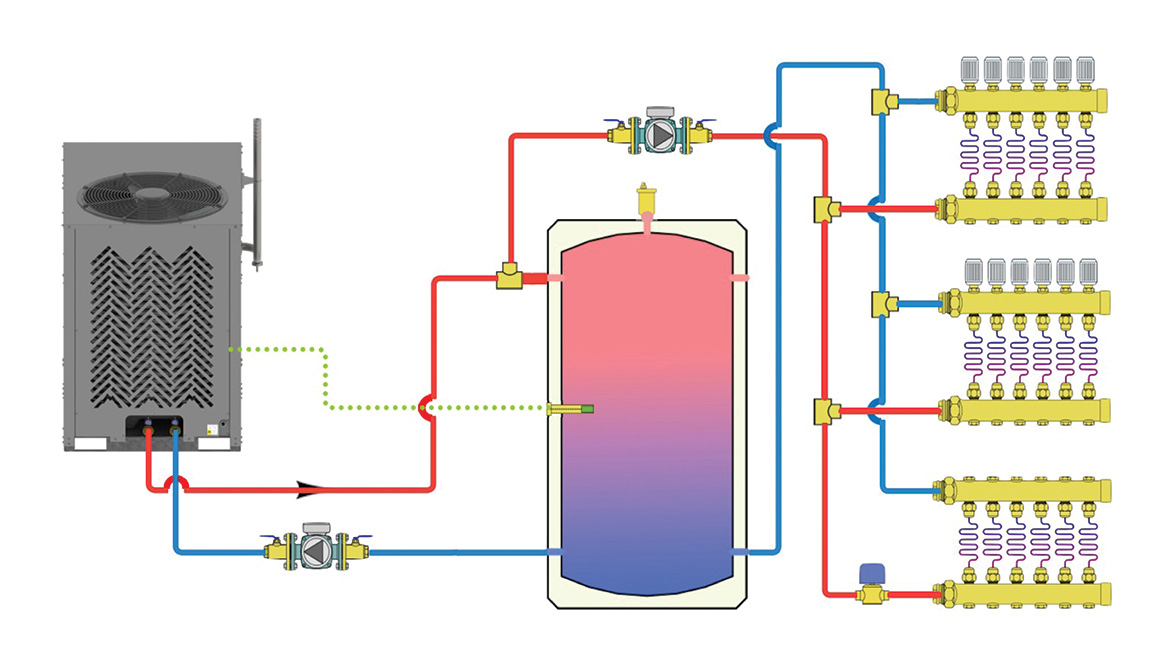
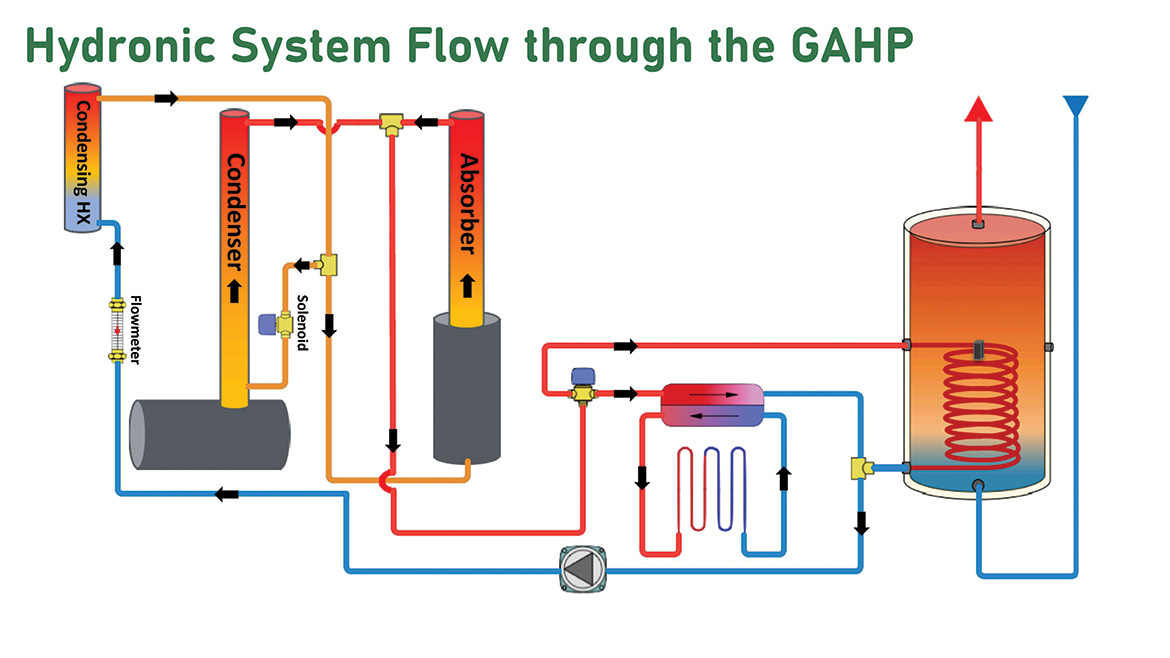
Figure 4 & 5. Hydronic system integration with GAHP requires careful coordination between supply temperature, flow rates and emitter selection. System performance depends on maintaining stable temperature differentials while aligning distribution strategies with load conditions. Proper design ensures heat is delivered efficiently without unnecessary cycling or loss. Images courtesy Bo DeAngelo
Piping Strategy and Hydraulic Separation
Hydronic integration of GAHP systems requires careful attention to piping design. Hydraulic separation is a key concept, allowing the heat pump loop and the distribution system to operate independently while maintaining stable flow conditions.
Hydraulic separators can isolate flow rates and pressure differentials, which is beneficial when system demand aligns closely with heat pump output. In situations where load conditions vary significantly, buffer tanks provide both hydraulic separation and thermal storage.
Buffer tanks play a critical role in maintaining system stability. By storing thermal energy, they allow the heat pump to operate for longer periods even when system demand is low. This reduces cycling and improves overall efficiency.
Piping configuration influences how effectively this stored energy is utilized. Different configurations can prioritize lower return water temperatures, improved system feedback, or more efficient use of stored energy depending on design goals.
Additional considerations include air elimination, dirt separation, and system flushing. Proper fill and purge procedures are necessary to ensure reliable operation and prevent issues related to air entrainment or debris within the system.
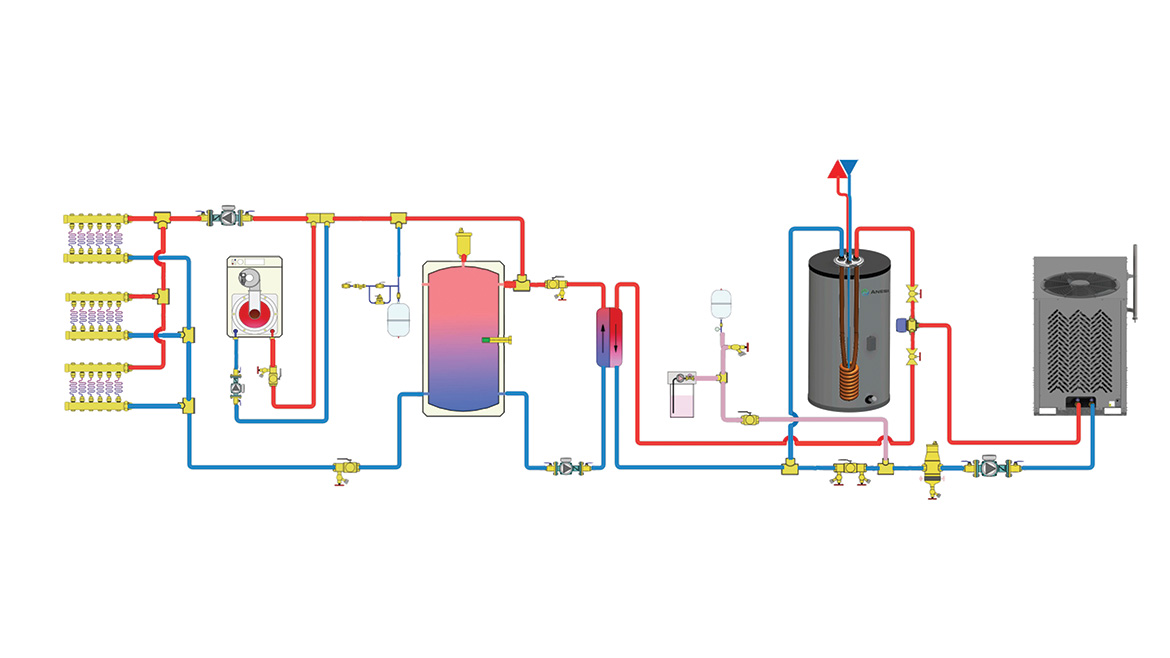
Figure 6. Image courtesy Bo DeAngelo
Buffer Tank Sizing and Load Matching
Buffer tank sizing must reflect the relationship between system output and minimum load conditions.
GAHP systems can modulate output, but there are limits to how low they can operate. During mild conditions, system demand may fall below the minimum output of the heat pump. In these cases, buffer tanks absorb excess energy and release it as needed, allowing the system to maintain longer run times.
Sizing calculations must consider factors such as minimum runtime, system output, load variation and allowable temperature change within the tank. Proper sizing ensures that the system can operate efficiently across a range of conditions without excessive cycling. Thermal storage also introduces the concept of usable energy within the system. Stored energy can satisfy small zone loads without activating the heat pump, improving overall system responsiveness and efficiency.
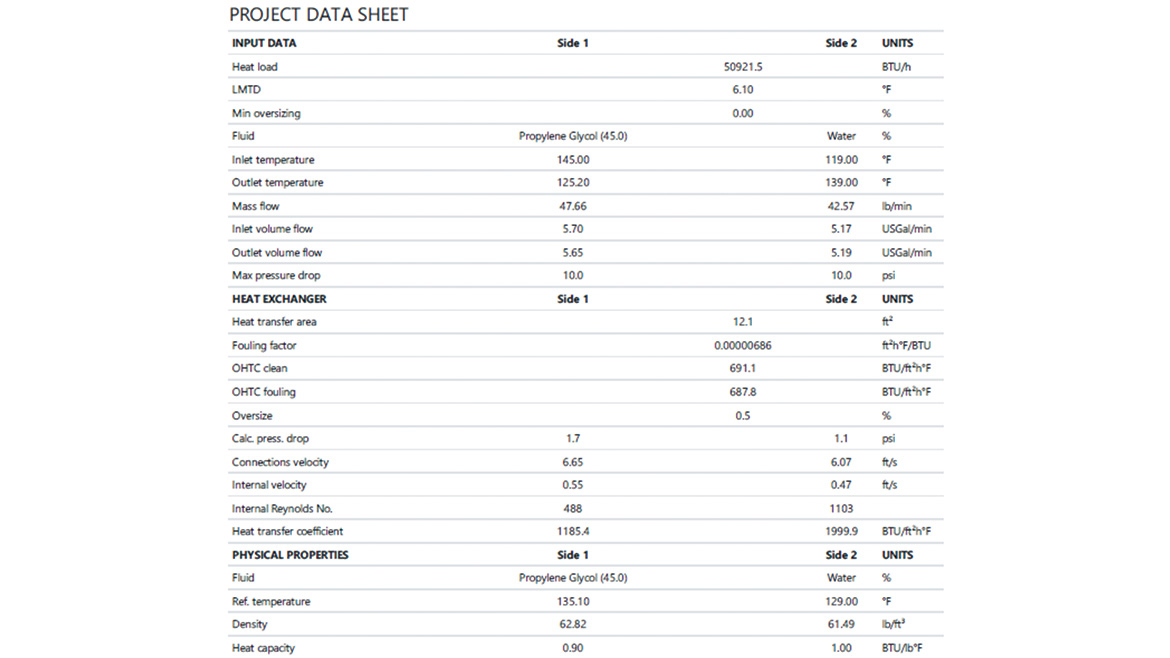
Figure 7. Buffer tanks and piping configuration play a key role in system stability and load matching. By storing thermal energy and supporting hydraulic separation, these components allow the heat pump to operate for longer, more efficient cycles while maintaining consistent output across varying demand conditions. Image courtesy Bo DeAngelo
Workforce Development and Technical Complexity
As hydronic systems become more integrated and performance-driven, workforce requirements are evolving. Training is increasingly focused on specific roles within the system design and installation process. Designers, installers and service technicians each require targeted knowledge related to system sizing, piping strategies, control integration, and commissioning practices. This shift reflects the growing complexity of modern hydronic systems. Successful implementation depends on coordination across multiple disciplines, along with a clear understanding of how individual components interact within the system.
Blended learning approaches are becoming more common, combining foundational instruction with applied experience. This supports more consistent installation quality and improves long-term system performance.
Conclusion
Gas absorption heat pumps offer a distinct approach to hydronic system integration, combining thermal compression with conventional distribution strategies. Their ability to leverage both fuel input and ambient energy creates opportunities for improved efficiency under the right conditions.
For engineers, plumbers, inspectors, and specifiers, the key consideration is not the equipment alone, but how it is integrated into the broader system. Proper sizing, zoning, emitter selection, and piping design all play a role in determining performance outcomes.
As system requirements continue to evolve, GAHP technology provides an additional tool for addressing energy performance, load management, and fuel flexibility. When applied thoughtfully, it can contribute to more resilient and adaptable hydronic systems.
Looking for a reprint of this article?
From high-res PDFs to custom plaques, order your copy today!