Identifying the signs a repipe is needed, and repiping dos and don'ts
Best practices for plumbers.

For plumbers, the challenge of determining when a repipe is needed lies in distinguishing between isolated and systemic problems, especially in plumbing systems that are still well within their expected service life. Image courtesy of Oatey Co.
Letting your customers know a repipe is needed isn’t always the most pleasant news to deliver. However, in some cases, it is the most effective and necessary measure to prevent potential damage caused by widespread plumbing issues. For plumbers, the challenge lies in distinguishing between isolated and systemic problems, especially in plumbing systems that are still well within their expected service life.
While some signs of widespread issues may be subtle, others may not be so obvious. Below are some indications that plumbers can count on to determine when a repipe may be the best solution.
Key indicators
- Frequent and persistent leaks: When homeowners experience recurring leaks in different areas of their home, it could indicate a larger plumbing issue. Constant repairs may provide temporary solutions but can be time-consuming. Repiping offers a more efficient and long-term fix for such problems.
- Unpleasant odors: If a consistently foul smell emanates from drains or plumbing fixtures, it could be a result of outdated or damaged pipes. Old pipes can harbor bacteria and mold, causing unpleasant odors and potentially affecting the homeowner's health. Repiping eliminates these issues and improves the overall hygiene of the plumbing system.
- Water stains: Persistent water stains on walls, ceilings, or floors can indicate hidden plumbing leaks. These stains may signify deteriorating pipes that require attention. Repiping can help prevent further damage and maintain the home's structural integrity.
- Unapproved pipe material: If the home was built several decades ago and still has galvanized or polybutylene pipes, a repipe is highly recommended. These two materials are prone to corrosion, leakage and deterioration. Upgrading to modern, more durable pipes will ensure the longevity and efficiency of the plumbing system.
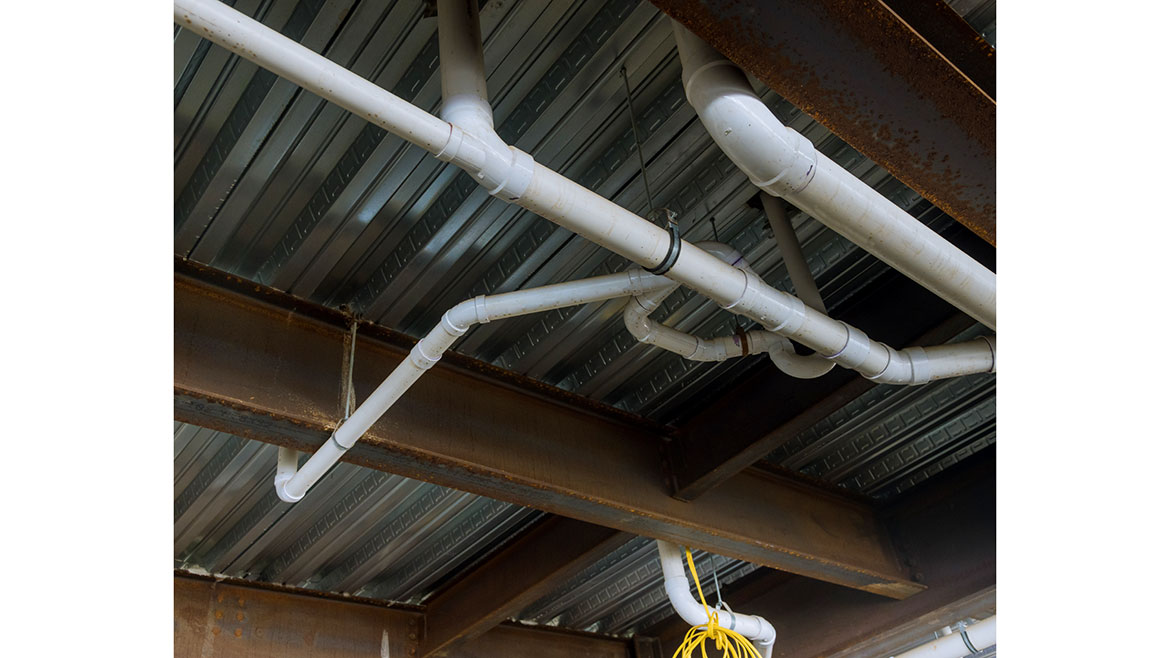
When homeowners experience recurring leaks in different areas of their home, it could indicate a larger plumbing issue. Constant repairs may provide temporary solutions but can be time-consuming. Repiping offers a more efficient and long-term fix for such problems. Image courtesy of Oatey Co.
Repiping dos and don'ts
Do...
- Follow local codes: Local codes provide important guidelines for repiping projects. Familiarize yourself with and adhere to these codes to ensure a safe and compliant plumbing system.
- Secure water pipes: When repiping, it is crucial to secure water pipes properly using straps. This eliminates issues like water hammer and prevents the pipes from flopping around inside walls, ensuring a stable and efficient plumbing system.
-
Use approved materials: To ensure the longevity and reliability of your plumbing system, always use the correct and approved materials for your specific repairs.
When repiping with CPVC, look for a convenient and fast-curing solution that eliminates longer cure times, making it ideal for situations where downtime needs to be minimized.
For PVC piping applications, look for a high-quality cement that ensures reliable and durable connections for water installations and repairs. Make sure it is designed to cure quickly, allowing for efficient use. - Protect underground copper pipes: When installing copper pipes underground, you should protect them with pipe wrap. This helps prevent damage from corrosive elements and extends the lifespan of the pipes.
- Properly pitch drainage pipes: Ensure drainage pipes have proper pitch, or slope, to facilitate the smooth flow of wastewater. Incorrect pitching can lead to drainage issues and backups.
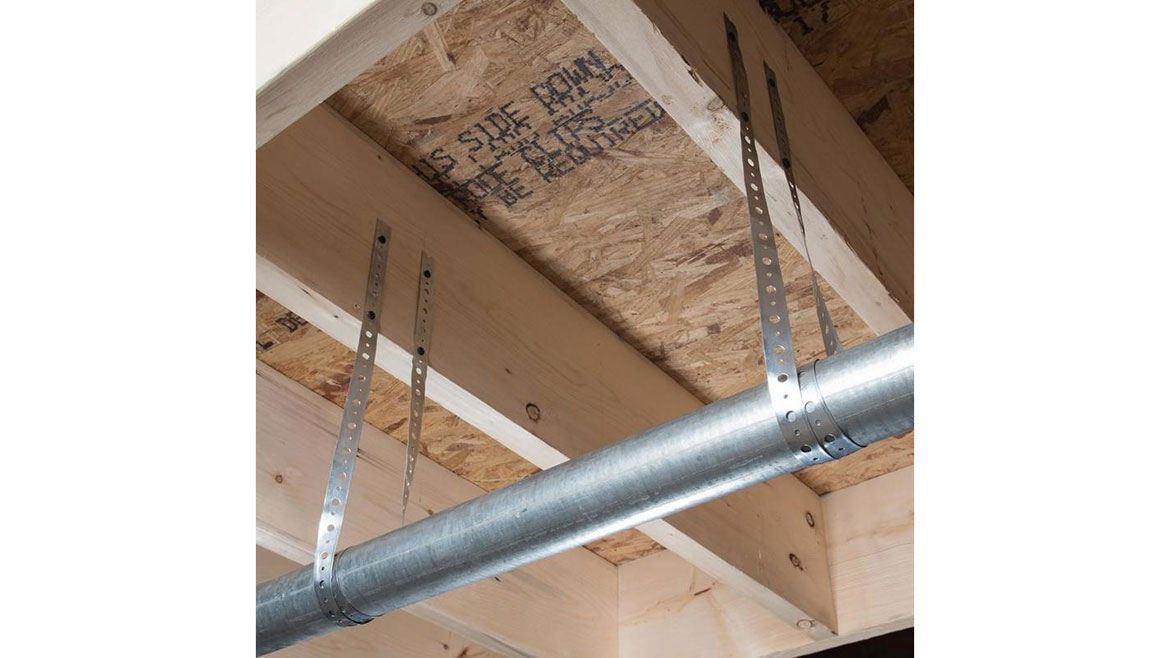
If the home was built several decades ago and still has galvanized or polybutylene pipes, a repipe is highly recommended. Image courtesy of Oatey Co.
Don't...
- Create cross connections: Avoid interfering with the hot-water system or creating cross connections that can cause issues with the water supply. Ensure the hot- and cold-water lines remain separate and properly connected.
- Cut out excessive portions: Minimize the amount of drywall cutting and removing. Being as noninvasive as possible will help save the homeowner from additional renovation work and the hassle of repairing and patching up walls.
- Create messy workspaces: Take precautions to avoid creating a mess during the repiping process. Use drop cloths and Visqueen plastic film, and wear booties to protect surfaces and minimize dust and debris. Clean up the work area using a shop vac to leave the client’s home tidy and free from additional issues caused by the construction process.
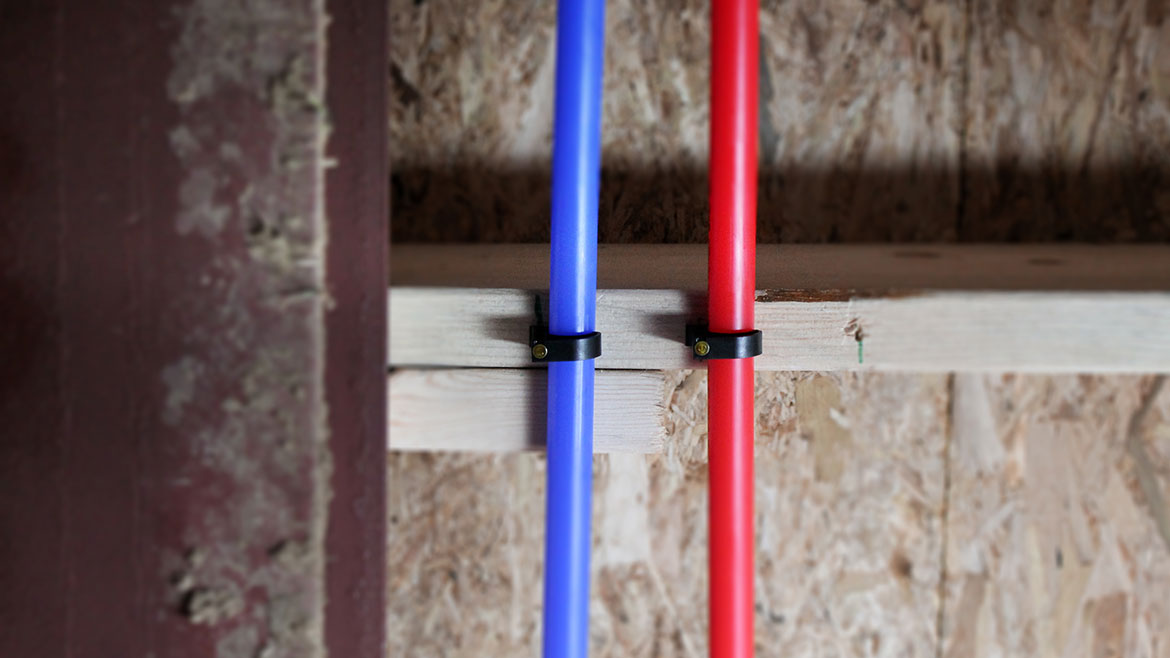
When repiping, it is crucial to secure water pipes properly using straps. This eliminates issues like water hammer and prevents the pipes from flopping around inside walls, ensuring a stable and efficient plumbing system. Image courtesy of Oatey Co.
The repiping process
As a plumber, it is essential to understand the various stages of the repiping process to ensure a successful project. Here is a high-level overview of each phase:
Inspection and preparation
During this phase, you will inspect the existing pipes to assess their condition and identify any necessary repairs. Use techniques like video inspection to detect leaks, blockages, or signs of corrosion. This assessment will help you plan the repiping project and prioritize areas that require attention.
Once the inspection is complete, prepare the plumbing system for repiping. Shut off the water supply, drain the pipes and remove fixtures or appliances that may hinder installation.
Installation
In this stage, focus on installing the new pipes and making all necessary connections. Exercise caution when removing old pipes to reduce potential damage to surrounding structures. Proceed with fitting the new pipes, ensuring a proper layout and using approved materials.
Remember, quality installation is crucial to guarantee the longevity and functionality of the repiped system. Ensure secure and leak-proof connections, providing homeowners with a reliable plumbing system.
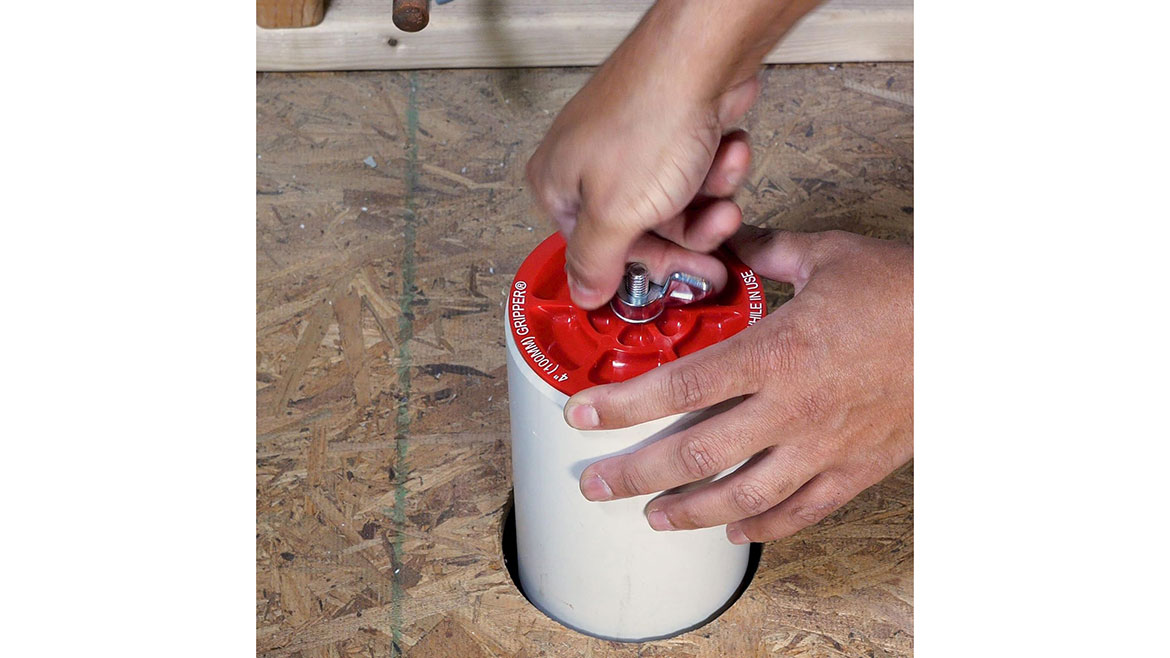
Use a gripper plug to test, isolate, or temporarily close sections of the plumbing system. Image courtesy of Oatey Co.
Testing
Conduct pressure tests to confirm the new pipes' integrity and detect any leaks, weak spots, or faulty connections. Use a gripper plug to test, isolate or temporarily close sections of the plumbing system.
Then, test the flow and functionality of all plumbing fixtures and appliances. Potential issues, such as leaks or inadequate water pressure, may occur during testing. If problems are identified, address them promptly by making the necessary adjustments or repairs to achieve a fully functional system.
Looking for a reprint of this article?
From high-res PDFs to custom plaques, order your copy today!