SB 222 is co-sponsored by the Building Decarbonization Coalition, the Bay Area Air District, and SPUR. The bill now heads to the Governor’s desk with a deadline of September 30 to sign or veto the bill.
In the 50 years since Legionnaires’ was given its name, tens of thousands of Americans have lost their lives to this disease which is the leading cause of waterborne illness and death in the US.
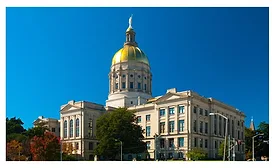
Georgia’s new contractor licensing provision aims to curb misleading advertising by unlicensed businesses while strengthening consumer protections and supporting contractors who meet state licensing requirements.
Plumbing contractors are engaging directly with legislators to promote policies for clean water, workforce development, and resilient plumbing. Over 100 PHCC members, leaders, and industry stakeholders met in Washington from May 20–21 to support industry issues.
As the second Trump administration gets underway, it has taken an aggressive approach to reducing the energy efficiency and water conservation federal regulations that have been the subject of numerous United States (U.S.) rulemakings and court cases over the last few decades.
The webinar aims to help facilities comply with emerging legionella regulations
Spenser Johnson to present "Navigating Evolving Water Management Regulations: Ensuring Compliance & Public Safety” Thursday, June 19, 2025, at 11:00 am CDT.
The water heater manufacturer Rinnai America Corporation has voiced its support for a resolution passed Thursday by the U.S. House of Representatives to reverse a Department of Energy ban on non-condensing instantaneous gas water heaters set to go into effect in 2029.
Last month marked the second anniversary of the Inflation Reduction Act (IRA), the most significant U.S. federal action on climate change. With over $369 billion allocated to energy and climate programs, the IRA has driven unprecedented growth in renewable energy, boosting solar, wind, and battery storage, while cutting greenhouse gas emissions and lowering energy costs.
A client recently asked about PFAS legislation in the U.S. You can find more information in my columns "PFAS: A Growing Concern" and "Forever Chemicals in the News." I'm also looking into state-level PFAS legislation for my readers.
PHCC’s Legislative Conference coincided with Air-Conditioning Heating and Refrigeration Institute’s (AHRI) Policy Forum and Heating Air-conditioning and Refrigeration Distributors International’s (HARDI) Congressional fly-in. This was the second consecutive year the entire industry was present in Washington, D.C.