The Bottled Water Controversy
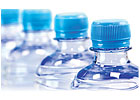
Bottled water is getting a bad rap lately.
There are many areas of the country that have good tap water, yet bottled water sales continue to climb. In most places, bottled water costs more than gasoline (in a gallon-to-gallon comparison). Most of the extra cost is due to packaging and transportation.
This is where the environmental activists step in. They say the extra packaging and shipping of bottled water uses fossil fuels and contributes to global warming.
A 2006 report by the Earth Policy Institute (EPI) states that the most commonly used plastic for making water bottles is polyethylene terephthalate (PET), which is derived from crude oil. “Making bottles to meet Americans’ demand for bottled water requires more than 1.5 million barrels of oil annually, enough to fuel some 100,000 U.S. cars for a year.”
And of course, shipping the water across the country, or importing from overseas, uses up gasoline and diesel fuel. Then there’s the waste.
“According to the Container Recycling Institute, 86 percent of plastic water bottles used in the United States become garbage or litter,” the EPI report notes. “Incinerating used bottles produces toxic byproducts such as chlorine gas and ash containing heavy metals. Buried water bottles can take up to 1,000 years to biodegrade.”
Bottled vs. Tap
According to estimates from the Beverage Marketing Corp., U.S. sales of bottled water rose by almost 10 percent last year. And Americans consumed about 8.3 billion gallons of bottled water last year - about 26 gallons per person.In fact, the United States is the leading consumer of bottled water. While most of the bottled water is produced domestically, Americans also drink imported water, such as the popular Evian brand.
But is bottled water any better than tap water?
Some bottled waters are spring water, but some are just purified tap water. According to the EPI report, about 40 percent of bottled water starts out as tap water. “Often the only difference is added minerals that have no marked health benefit,” the report states.
A February 2006 National Geographic News article noted that the International Bottled Water Association (IBWA) says bottled water “provides a convenient, healthy alternative to calorie-laden portable drinks or those containing caffeine and artificial additives. The IBWA points out that bottled water is fully regulated by government agencies, such as the U.S. Food and Drug Administration, to be guaranteed safe to drink.”
However, a 1999 study by the Natural Resources Defense Council found that, after studying the bottled water industry for four years, bottled water was no healthier or safer than most tap water. The report noted that there are multitudes of regulations governing the quality of tap water in the United States (regulated by the Environmental Protection Agency), but weaker rules govern the quality of bottled water (regulated by the Food and Drug Administration).
A recent Fortune article noted that shareholders working with activist group Corporate Accountability International filed a resolution with Coca-Cola, which makes and distributes the Dasani bottled water brand, asking the company to report on the sources and safety of its bottled water. Dasani is made from purified tap water, as is Pepsi’s Aquafina.
The group also met with Nestlé officials. Nestlé’s bottled water brands - Ice Mountain, Deer Park, Poland Spring, Arrowhead, Ozarka, Zephyrhills and Calistoga - get most of their water from spring sources.
What Can You Do?
There is no doubt that there are areas in the country, and in the world, with substandard water quality. But is bottled water really the answer? In developing countries, what really is needed are better systems of sanitation, water distribution and water treatment.In developed countries such as the United States, other avenues exist to provide better-tasting water. If you have a customer in an area with high mineral content in the water or other problems, why not try to sell him a point-of-use water filtration system? In the long-run, it’s a less expensive and more eco-friendly alternative than buying cases of bottled water.
And to save yourself some bucks, buy a reusable water bottle and fill it from your tap.
Links
Looking for a reprint of this article?
From high-res PDFs to custom plaques, order your copy today!