Renewable Energy Increases Worldwide
Development of renewable energy sources has taken big jumps throughout the world, according to a 2007 global status report from The Worldwatch Institute, an environmental research group.
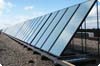
Mandates for solar hot water in new construction represent a strong trend in countries around the world, the group says. Rooftop solar heat collectors provide hot water to nearly 50 million households worldwide. Existing solar hot water/heating capacity increased by 19 percent in 2006.
While we’re focusing on solar for this supplement, here’s a quick rundown of alternatives taken from a 2007 global status report:
- Renewable electricity generation capacity increased 50 percent in 2007 over 2004.
- Renewable energy generated as much electric power worldwide last year as one-quarter of the world’s nuclear power plants. That figure does not count large hydropower, but would be more than nuclear if it were counted.
- The largest component of renewable generation capacity is wind power, which grew 28 percent worldwide last year.
- The fastest-growing energy technology in the world is grid-connected solar photovoltaics with 50 percent annual increases in installed capacity in both 2006 and 2007.
- Production of biofuels (ethanol and biodiesel) exceeded an estimated 53 billion liters last year, up 43 percent from 2005.
- Renewable energy, especially small hydropower, biomass and solar PV, provides electricity, heat and water pumping for tens of millions of people in rural areas of developing countries. Twenty-five million households cook and light their homes with biogas and 2.5 million households use solar lighting systems.
- Developing countries as a group have more than 40 percent of existing renewable power capacity, more than 70 percent of existing solar hot water capacity and 45 percent of biofuels production.
- Policy targets for renewable energy exist in 66 countries, including all 27 European Union countries, as well as 29 U.S. states, including the District of Columbia, and nine Canadian provinces.
Looking for a reprint of this article?
From high-res PDFs to custom plaques, order your copy today!