
Avoiding Common Pitfalls In Electric Floor Heating Installations
Problems can be avoided by following these simple tips.
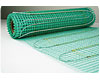
The market for electric floor heating has been booming over the past few years, with warm floors becoming ever more popular in bathrooms and kitchens (homeowners’ two favorite applications). While new systems on the market are now ultra-thin, easy to install and very sturdy, there are a few important installation guidelines to follow to ensure successful installations.
As the manager of a 24/7 tech support team, I see many of the same problems faced by customers during their electric floor heating installations. It is a shame because the process of installing electric floor heating is incredibly easy, and most of these problems could be avoided with the following tips.

If a roll is shortened, it will increase the watts per square foot above a level allowed by the NEC (15 watts per square foot). You can shorten the cold lead wires used to connect the roll to the thermostat, but you cannot shorten the heating cable that is sewn to the fiberglass mesh.
To avoid these issues, I recommend you get a custom installation plan with all your projects involving fixtures, such as kitchen or bath cabinets. Several manufacturers offer installation plans as a free service. Take advantage of this. This will help you identify job changes and adapt quickly. You don’t want to start laying out your electric floor heating roll only to find out at the end that you have three extra feet.
These first two steps can save a lot of money and labor hours. It doesn’t make sense to install a defective roll. The only way to know if the roll is defective is to test it! If it is bad, call your manufacturer for a replacement.
If the roll passes these first two tests, it is ready to be encased in latex-modified thinset or latex-modified self-leveling cement. Before applying the thinset, connect the circuit check device to each roll that is being installed. This device will emit a loud noise if the roll gets damaged during installation.
Again, the circuit check is not a substitute for an ohms meter! A digital ohms meter can be purchased at any hardware or supply store for around $15.
After the floor is installed, test the roll again with an ohms meter.
First try resetting the circuit breaker. If the thermostat is getting the correct power, it should be tested to see if the power is being passed by the thermostat into the floor. When the wavy lines are showing in the thermostat display window, the thermostat should be passing line voltage to the floor. If it doesn’t, the thermostat is malfunctioning or is not wired correctly to the floor leads.
If the thermostat is functioning correctly, the floor rolls need to be tested.
* Contact the manufacturer for circuit checks and shortstops.
The market for electric floor heating has been booming over the past few years, with warm floors becoming ever more popular in bathrooms and kitchens (homeowners’ two favorite applications). While new systems on the market are now ultra-thin, easy to install and very sturdy, there are a few important installation guidelines to follow to ensure successful installations.
As the manager of a 24/7 tech support team, I see many of the same problems faced by customers during their electric floor heating installations. It is a shame because the process of installing electric floor heating is incredibly easy, and most of these problems could be avoided with the following tips.
Scott Rosenbaum
Don't Shorten An Electric Floor Heating Roll
On most jobsites, things are never what you expect and measurements frequently change. If you come to the jobsite and notice your electric floor heating roll is now too long, don’t shorten it. Call your manufacturer for an exchange.If a roll is shortened, it will increase the watts per square foot above a level allowed by the NEC (15 watts per square foot). You can shorten the cold lead wires used to connect the roll to the thermostat, but you cannot shorten the heating cable that is sewn to the fiberglass mesh.
To avoid these issues, I recommend you get a custom installation plan with all your projects involving fixtures, such as kitchen or bath cabinets. Several manufacturers offer installation plans as a free service. Take advantage of this. This will help you identify job changes and adapt quickly. You don’t want to start laying out your electric floor heating roll only to find out at the end that you have three extra feet.
Don't Wire Mats To Each Other
On some jobsites, a combination of two or three rolls is needed. Make sure you wire the rolls in parallel at the controller. Each roll needs to be connected to a controller.Testing Beforehand Ensures A Successful Installation
The best troubleshooting of the roll is the pretesting that happens before it’s installed. Always test the roll when it is first taken out of the shipping box using an ohms meter (and remember, the circuit check* is not an ohms meter). After the rolls are cut and laid out on the floor, the roll must be tested again.These first two steps can save a lot of money and labor hours. It doesn’t make sense to install a defective roll. The only way to know if the roll is defective is to test it! If it is bad, call your manufacturer for a replacement.
If the roll passes these first two tests, it is ready to be encased in latex-modified thinset or latex-modified self-leveling cement. Before applying the thinset, connect the circuit check device to each roll that is being installed. This device will emit a loud noise if the roll gets damaged during installation.
Again, the circuit check is not a substitute for an ohms meter! A digital ohms meter can be purchased at any hardware or supply store for around $15.
After the floor is installed, test the roll again with an ohms meter.
Forgot To Test Beforehand And Now There's A Problem?
If there is a problem with the heated floor, the system should be tested. A digital volt/ohms meter is necessary to verify that the thermostat has the correct voltage available.First try resetting the circuit breaker. If the thermostat is getting the correct power, it should be tested to see if the power is being passed by the thermostat into the floor. When the wavy lines are showing in the thermostat display window, the thermostat should be passing line voltage to the floor. If it doesn’t, the thermostat is malfunctioning or is not wired correctly to the floor leads.
If the thermostat is functioning correctly, the floor rolls need to be tested.
- Disconnect the
wires from the thermostat.
- Set the ohms meter to
the 200 range.
- Attach one center core wire to each
meter probe. The ohms reading should correspond with the numbers that appear on
the label affixed to the roll. If the ohms reading is not within the +/- 15 percent
margin, the roll may be defective.
- If the readings match the spec, attach a braided sheath from each end of the wire to each probe. This reading should be within 15 percent of the spec on the roll’s label; if not, the roll may be damaged.
- Attach one meter
probe to the center core of one wire.
- Attach the
other probe to the braided sheath of the same wire end. This ohm reading should
be OL or INF.
- Now test the other wire end. This reading should be the same. This reveals that there is no short between the inner core conductor and the braided sheath that surrounds it. If there is an ohm reading on either end, the roll has a short.
- A
“shortstop”* can be used to find the break. This device sends a signal down one
end of the wire and measures the distance to the short or break. Once this
number is obtained, the device is attached to the other end of the wire and the
test repeated.
- The numbers obtained from these tests will indicate the approximate position of the damaged area in the room, if the installation plan was used. This device will not work if the roll is laid without a plan or the plan was changed.
* Contact the manufacturer for circuit checks and shortstops.
Links
Looking for a reprint of this article?
From high-res PDFs to custom plaques, order your copy today!